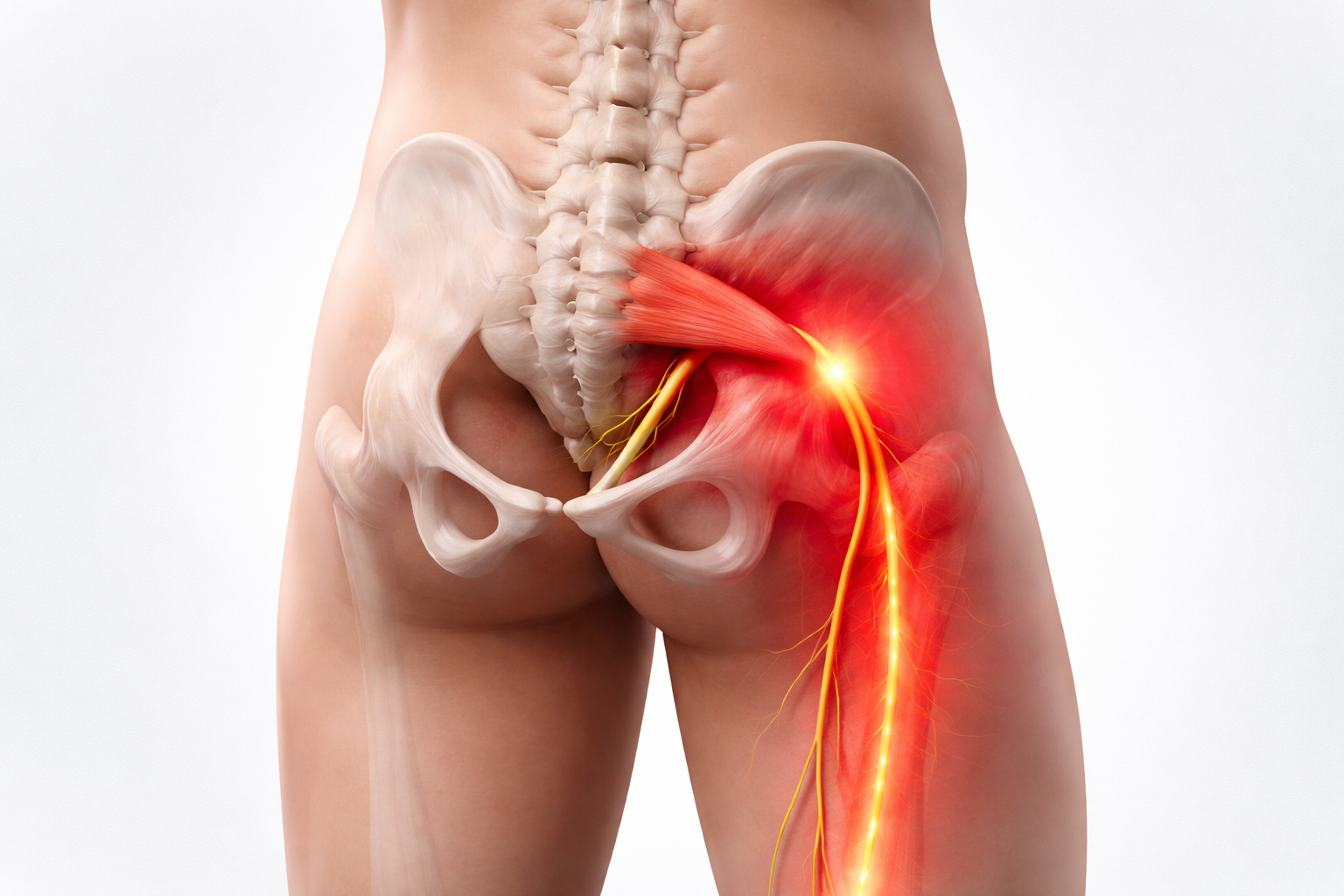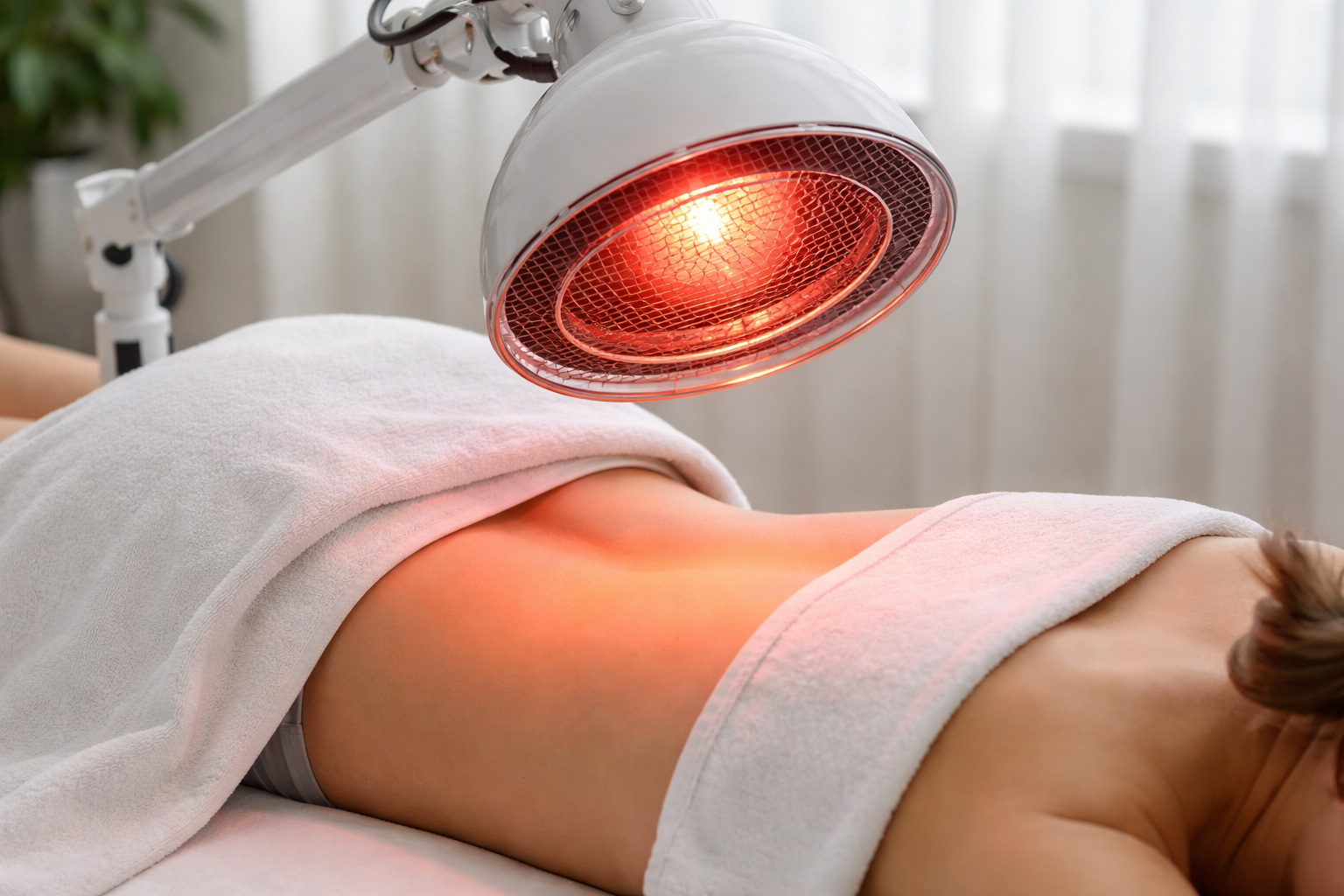
Infrared Radiation (IRR) therapy employs light with longer wavelengths than visible light to penetrate deep into the skin and underlying tissues, where it is experienced as therapeutic heat. This non-invasive modality works at the cellular level to reduce inflammation, improve local blood flow, and provide effective pain relief and muscle relaxation for various musculoskeletal conditions.
In the fast-paced world of physiotherapy and rehabilitation, the quest for non-invasive, drug-free pain management and muscle recovery solutions is ongoing. One technology that stands out for its profound benefits is Infrared Radiation (IRR) therapy, an electromagnetic treatment that harnesses the power of invisible light to generate therapeutic heat within the body. Operating within the electromagnetic spectrum, typically with wavelengths ranging from 760 nanometers to 1 millimeter, IRR penetrates beyond superficial layers to reach muscles, nerves, and bones effectively.
Unlike ultraviolet (UV) light, which can damage the skin, infrared light enhances cellular regeneration and is considered safe when applied correctly. The sensation of gentle, radiant heat is the key to its muscle-relaxing effects, making it a valuable tool in managing chronic stiffness, post-exercise soreness, and various musculoskeletal pains. This article explores the mechanisms by which IRR therapy soothes the core, ensuring immediate muscle relaxation and accelerating the natural healing process.
The Mechanism of Muscle Relaxation
The primary way IRR therapy achieves muscle relaxation is through a combination of thermal and non-thermal effects that stimulate physiological changes at a cellular level.
- Increased Blood Circulation (Vasodilation): The heat generated by IRR exposure triggers the release of nitric oxide in blood vessels. Nitric oxide is a potent vasodilator, meaning it helps relax the arteries and improve local blood flow. This enhanced circulation delivers a richer supply of oxygen and essential nutrients to the affected muscles while simultaneously facilitating the removal of metabolic waste products and toxins that contribute to soreness and fatigue.
- Cellular Energy Boost: At a cellular level, infrared photons are absorbed by mitochondria (the cell’s powerhouses), stimulating their activity and increasing the production of adenosine triphosphate (ATP). ATP is the primary energy currency of the body, and higher levels provide muscle cells with the necessary power to repair and regenerate damaged tissue more efficiently.
- Nerve Desensitization and Pain Modulation: IRR therapy can modulate pain signal transmission to the spinal cord and brain. It can increase the sensory nerve conduction velocity and promote the release of endorphins, the body’s natural pain-relieving substances, thereby reducing pain perception and muscle spasms.
- Inflammation Reduction: By modulating the inflammatory response at a cellular level, IRR therapy helps to significantly decrease inflammation in joints and muscles. This is particularly beneficial for reducing the swelling and stiffness associated with conditions like arthritis or post-injury inflammation.
Types of IRR in Physiotherapy
IRR therapy in a clinical setting is typically generated by one of two types of sources, each offering slightly different benefits:
- Luminous Generators: These use an incandescent lamp with a wire filament (often tungsten) and emit a combination of infrared, visible, and a small amount of ultraviolet rays. They penetrate deeper into tissues (up to 4 cm) and are highly effective for heating larger areas and treating deeper conditions.
- Non-Luminous Generators: These sources, such as heated coils on an insulating material, primarily emit far-infrared (FIR) radiation and are associated with more superficial, sedative heating effects. They are often used for acute injuries or where a gentler, more surface-level heat is desired.
The choice of generator depends on the specific condition being treated, but both types work to reduce muscle tension and enhance the overall therapeutic effect.
Clinical Applications and Benefits
IRR therapy has shown promising results as a complementary treatment for a wide range of musculoskeletal conditions and chronic pain management.
- Chronic Pain Management: IRR is particularly effective for chronic pain, showing significant reduction in pain levels for conditions like fibromyalgia, knee osteoarthritis, and chronic myofascial pain syndrome.
- Accelerated Muscle Recovery: Studies involving athletes have demonstrated that targeted IRR lamp therapy can accelerate recovery from exercise-induced muscle damage, reducing delayed onset muscle soreness (DOMS) and improving performance recovery times by several days compared to a sham treatment.
- Joint Stiffness: The heat from IRR helps in relaxing muscles and softening soft tissues, which can improve overall joint mobility and flexibility.
- Wound Healing: Enhanced circulation and cellular repair properties mean IRR therapy can also aid in the healing of minor sports-related injuries, wounds, and pressure sores.
Safety and Best Practices
While IRR therapy is generally safe when administered by trained professionals, adhering to safety guidelines is paramount to avoid potential risks like burns, skin irritation, or eye damage.
- Professional Guidance: Always consult with a healthcare professional, especially if you have pre-existing conditions like cardiovascular disease, are pregnant, or are taking photosensitive medications.
- Eye Protection: When using lamps, especially luminous ones or high-intensity devices, protective goggles must be worn to shield the eyes from potential damage.
- Treatment Duration and Distance: Session lengths typically range from 15 to 45 minutes, depending on the intensity and the device used. Maintaining the correct distance from the lamp, usually between 45 cm and 75 cm, is critical to receiving the optimal therapeutic dose and avoiding burns.
- Listen to Your Body: Discontinue use immediately if you experience pain, discomfort, or persistent skin redness.
Conclusion
Infrared Radiation therapy is a powerful, non-invasive tool in the physiotherapy arsenal, offering deep, penetrating heat that provides immediate muscle relaxation and stimulates the body’s natural healing mechanisms. By increasing blood flow, boosting cellular energy, and reducing pain signals, IRR therapy helps individuals return to optimal function faster and with less discomfort. As research continues to validate its efficacy and safety, particularly for chronic pain and muscle recovery, IRR therapy is set to play an increasingly central role in holistic wellness and physical rehabilitation programs.
“Infrared therapy is an effective and safe remedy for pain and inflammation. It can penetrate deep through the layers of the skin, to the muscles and bones… bringing oxygen and nutrients to injured tissues, promoting healing.”

- electrotherapy modalities
- heat therapy physiotherapy
- infrared heat therapy
- infrared lamp physiotherapy
- infrared radiation therapy
- infrared therapy for back pain
- infrared therapy physiotherapy
- infrared therapy rehabilitation
- IRR lamp therapy
- IRR therapy
- IRR therapy benefits
- IRR therapy for muscle relaxation
- IRR therapy in physiotherapy
- IRR therapy indications
- IRR treatment for pain
- musculoskeletal physiotherapy
- non invasive pain relief
- physiotherapy clinic equipment
- physiotherapy pain management
- superficial heat therapy
 Previous Post