


Dermatomes and Myotomes play a crucial role in neurological assessment in physiotherapy. This comprehensive guide explains their functions, differences, clinical usage, and step-by-step assessment techniques to accurately identify nerve root involvement.
Accurate neurological assessment is a cornerstone of physiotherapy practice, especially in patients presenting with pain, weakness, numbness, or movement dysfunction. Among the most reliable tools for identifying nerve root involvement are Dermatomes and Myotomes. These neuroanatomical maps help physiotherapists correlate symptoms with specific spinal nerve roots, enabling precise diagnosis and targeted treatment planning.
Understanding dermatomes and myotomes is essential in conditions such as disc herniation, radiculopathy, spinal cord injury, peripheral nerve lesions, and post-surgical rehabilitation. This guide provides a comprehensive, clinically relevant explanation of dermatomes and myotomes, their functions, usage, differences, and practical assessment methods for physiotherapy practice.
What Are Dermatomes?
A dermatome is an area of skin supplied by sensory fibers from a single spinal nerve root. Each spinal nerve (except C1) carries sensory input from a specific skin region to the central nervous system.
Functions of Dermatomes
- Transmit sensations such as touch, pain, temperature, and pressure
- Help localize sensory deficits
- Assist in identifying nerve root compression or damage
- Guide clinical decision-making in neurological and orthopedic conditions
Dermatomes: Complete Segmental Distribution & Functions
Cervical Dermatomes
- C2 – Back of the head (occipital region)
- C3 – Neck and upper shoulder
- C4 – Shoulder area, clavicular region
- C5 – Lateral upper arm
- C6 – Lateral forearm, thumb
- C7 – Middle finger
- C8 – Ring and little finger, medial forearm
Thoracic Dermatomes
- T1 – Medial forearm
- T2 – Axilla and upper chest
- T3–T6 – Upper chest and rib cage
- T7–T9 – Upper abdomen
- T10 – Umbilicus
- T11–T12 – Lower abdomen
Lumbar Dermatomes
- L1 – Groin and upper hip
- L2 – Anterior thigh
- L3 – Medial knee
- L4 – Medial leg and ankle
- L5 – Dorsum of foot, big toe
Sacral Dermatomes
- S1 – Lateral foot and heel
- S2 – Posterior thigh
- S3 – Buttock region
- S4–S5 – Perianal area (saddle region)
What Are Myotomes?
A myotome refers to a group of muscles primarily innervated by a single spinal nerve root. Myotome testing evaluates motor function and helps identify nerve root weakness.
Functions of Myotomes
- Enable voluntary movement
- Assist in identifying motor deficits
- Help differentiate between nerve root and peripheral nerve injuries
- Guide rehabilitation and strengthening programs
Myotomes: Complete Segmental Distribution & Functions
Cervical Myotomes
- C1–C2 – Neck flexion and extension
- C3 – Neck lateral flexion
- C4 – Shoulder elevation (shrug)
- C5 – Shoulder abduction
- C6 – Elbow flexion, wrist extension
- C7 – Elbow extension, wrist flexion
- C8 – Finger flexion
- T1 – Finger abduction and adduction
Lumbar Myotomes
- L1 – Hip flexion
- L2 – Hip flexion
- L3 – Knee extension
- L4 – Ankle dorsiflexion
- L5 – Big toe extension
Sacral Myotomes
- S1 – Ankle plantarflexion
- S2 – Knee flexion
- S3–S5 – Pelvic floor and sphincter control
Clinical Usage of Dermatomes & Myotomes in Physiotherapy
Dermatomes and myotomes are extensively used in physiotherapy for:
- Identifying nerve root compression
- Assessing disc prolapse and radiculopathy
- Evaluating spinal cord injuries
- Post-operative neurological monitoring
- Stroke and neurological rehabilitation
- Differentiating peripheral nerve vs spinal nerve involvement
They form a key component of neurological screening during initial assessment and follow-up evaluations.
Difference Between Dermatomes & Myotomes
| Feature | Dermatomes | Myotomes |
| Function | Sensory | Motor |
| Assessed by | Touch, pain, temperature | Muscle strength |
| Indicates | Sensory nerve root involvement | Motor nerve root involvement |
| Testing method | Sensory testing | Manual muscle testing |
| Clinical value | Detects numbness or altered sensation | Detects weakness or paralysis |
Understanding both together provides a complete neurological picture.
How to Assess Dermatomes (Sensory Testing)
Assessment Procedure
- Explain the test to the patient
- Ask the patient to close their eyes
- Use light touch (cotton), pinprick, or temperature stimulus
- Compare bilaterally
- Ask the patient to report sensation differences
Key Observations
- Reduced sensation (hypoesthesia)
- Increased sensitivity (hyperesthesia)
- Absence of sensation (anesthesia)
Clinical Tip
Always compare with a normal reference area to ensure accuracy.
How to Assess Myotomes (Motor Testing)
Assessment Procedure
- Position the patient correctly
- Ask the patient to perform a specific movement
- Apply resistance gradually
- Grade muscle strength (0–5 scale)
Key Observations
- Weakness
- Fatigue
- Pain during movement
- Asymmetry
Clinical Tip
Isolate the movement to avoid compensation from adjacent muscles.
Common Clinical Conditions Linked to Dermatomes & Myotomes
- Cervical and lumbar disc herniation
- Sciatica
- Cervical radiculopathy
- Spinal stenosis
- Cauda equina syndrome
- Peripheral neuropathies
Correct interpretation helps in early diagnosis and timely referral when needed.
Importance in Treatment Planning
Physiotherapists use dermatome and myotome findings to:
- Select appropriate manual therapy techniques
- Design targeted exercise programs
- Monitor neurological recovery
- Prevent long-term disability
Accurate assessment ensures safe and effective rehabilitation.
Conclusion
Dermatomes and myotomes are fundamental tools in clinical physiotherapy for evaluating sensory and motor nerve root function. Mastery of these concepts allows physiotherapists to accurately localize neurological deficits, differentiate between conditions, and implement evidence-based treatment strategies. By integrating dermatome and myotome assessment into routine practice, clinicians can enhance diagnostic precision and optimize patient outcomes.
“Dermatomes and myotomes act as a neurological roadmap, guiding physiotherapists toward precise diagnosis and effective rehabilitation.”

 Previous Post
 Next Post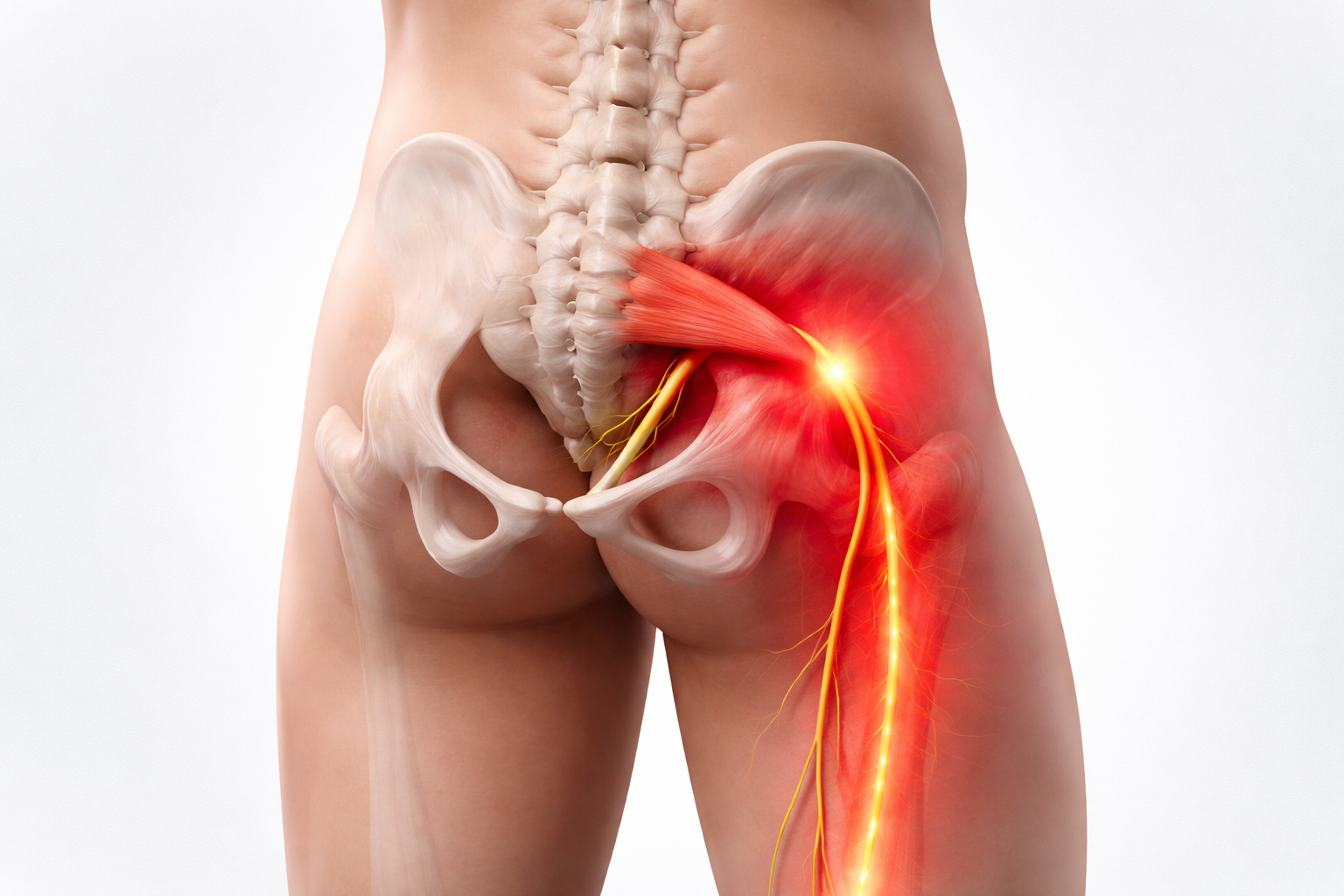
Fast indexing of website pages and backlinks on Google https://is.gd/r7kPlC