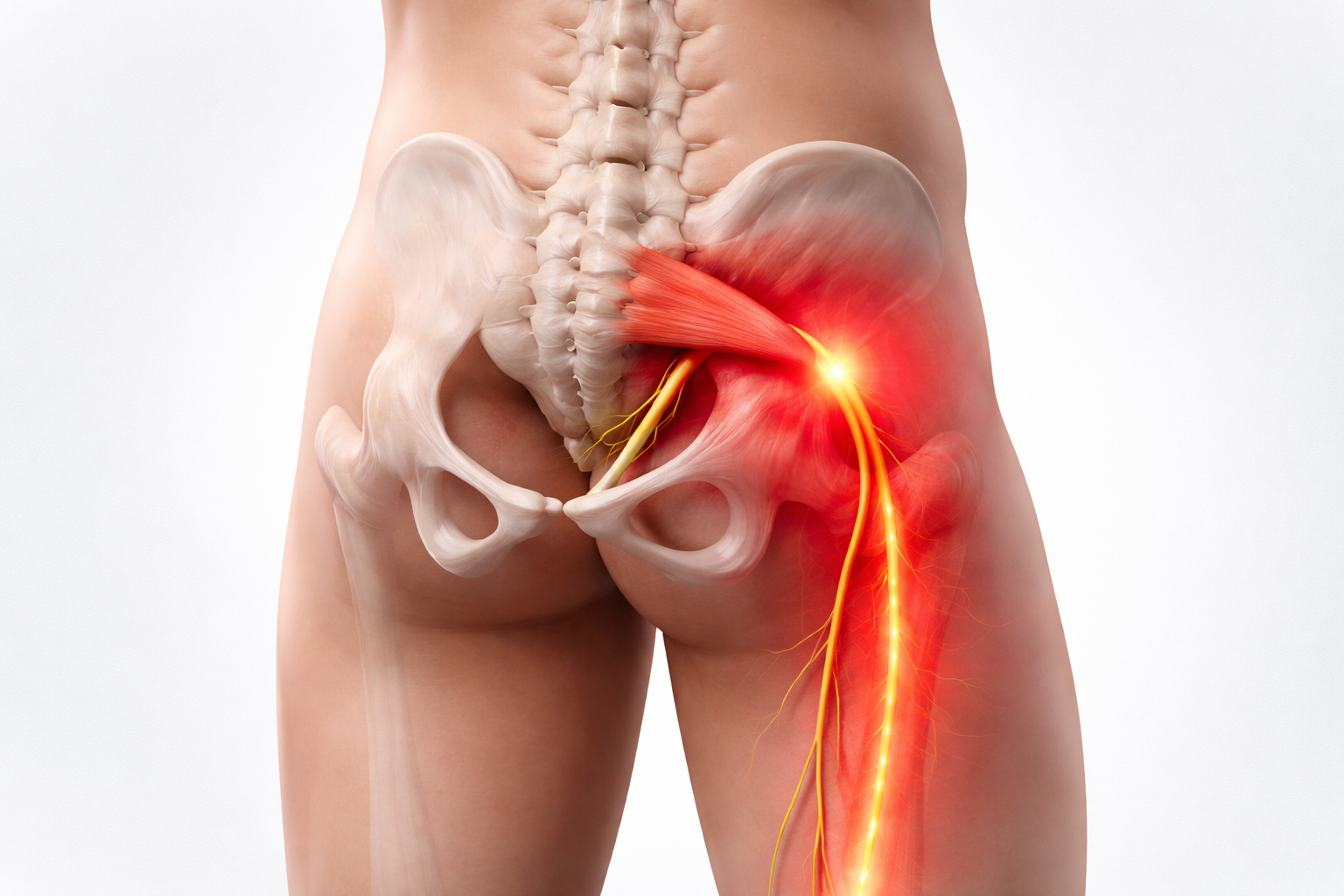
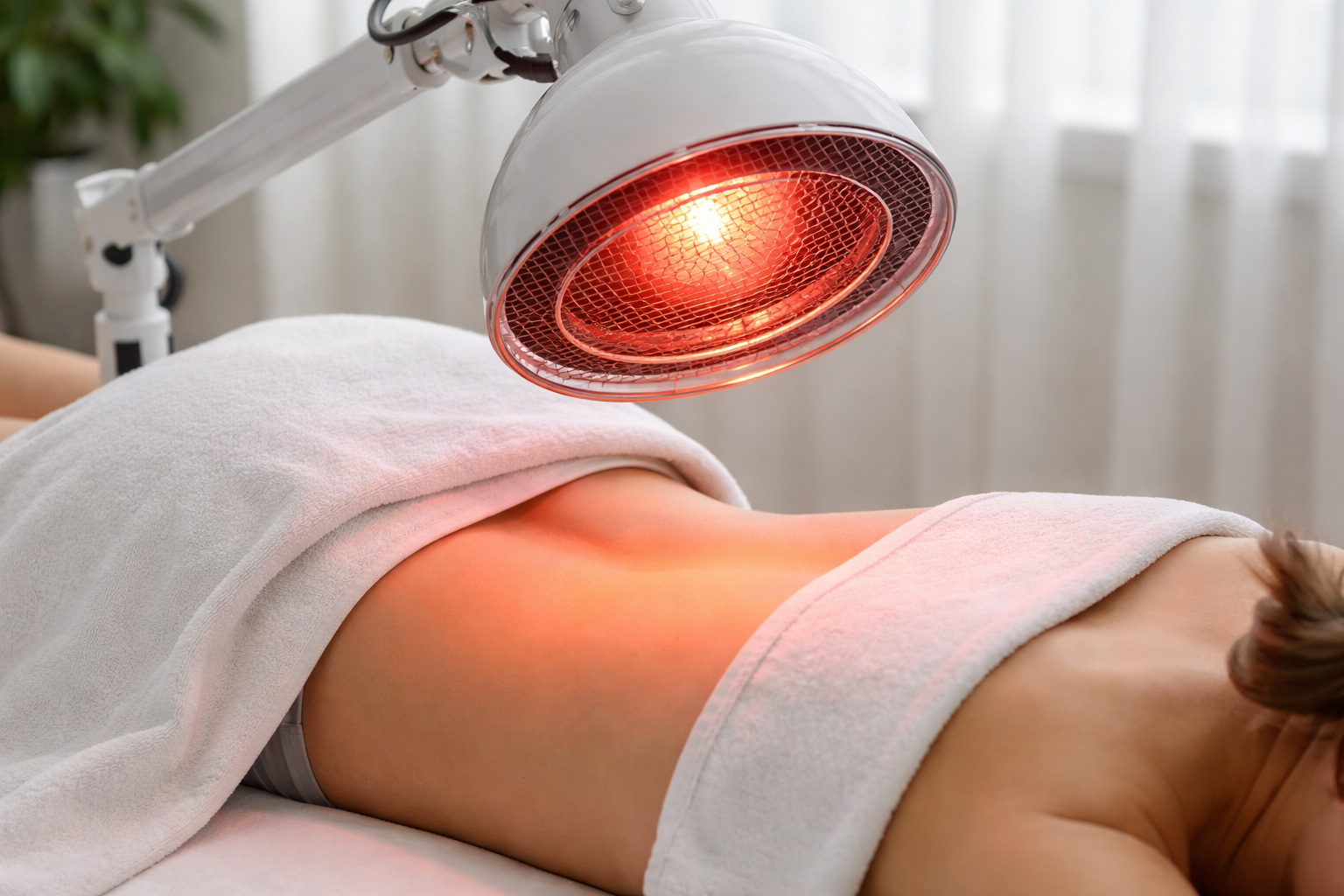
Therapeutic ultrasound is a proven physiotherapy modality that uses high-frequency sonic waves to promote tissue healing, reduce pain, and enhance recovery by stimulating cellular activity and improving circulation.
Therapeutic ultrasound, commonly known as ultrasonic therapy, is a widely used modality in physiotherapy for promoting tissue healing, reducing pain, and improving functional recovery. By delivering high-frequency sonic waves deep into the body’s tissues, this non-invasive treatment enhances cellular activity, improves circulation, and accelerates the natural healing process. Over decades, therapeutic ultrasound has evolved from a simple pain-relief tool into a scientifically grounded intervention supported by sound physical principles and clinical evidence.
This article explores how therapeutic ultrasound works, its physical principles, key treatment parameters, and its role in accelerating tissue recovery in modern physiotherapy practice.
What Is Therapeutic Ultrasound?
Therapeutic Ultrasound is a form of electrotherapy that uses high-frequency sound (sonic) waves, typically above the range of human hearing, to treat musculoskeletal and soft tissue conditions. Unlike diagnostic ultrasound, which is used for imaging, therapeutic ultrasound focuses on tissue healing and rehabilitation.
The ultrasound machine converts electrical energy into mechanical energy through a transducer, which emits sound waves that penetrate body tissues. These waves create physiological effects at the cellular and tissue levels, making therapeutic ultrasound a valuable tool in physiotherapy rehabilitation.
Understanding Sonic Waves in Ultrasonic Therapy
Sonic waves are mechanical vibrations that travel through a medium such as air, water, or human tissue. In therapeutic ultrasound, these waves typically operate at frequencies of 1 MHz or 3 MHz, which allows them to penetrate tissues at different depths.
- 1 MHz: Penetrates deeper tissues (up to 5 cm), ideal for muscles and deep soft tissues
- 3 MHz: Targets superficial tissues (1–2 cm), ideal for tendons, ligaments, and scar tissue
When these sonic waves travel through tissues, they create microscopic vibrations that stimulate cells and influence biological processes essential for healing.
Physical Principles of Therapeutic Ultrasound
The effectiveness of ultrasonic therapy is based on well-established physical principles, which explain how sound waves interact with body tissues.
1. Piezoelectric Effect
The core mechanism behind ultrasound generation is the piezoelectric effect. When an alternating electrical current passes through a piezoelectric crystal inside the transducer, it vibrates and produces ultrasonic waves. These vibrations are transmitted into the body through a coupling medium such as ultrasound gel.
2. Mechanical Vibration
Ultrasound waves produce mechanical oscillations in tissues, causing molecules to move back and forth. This mechanical effect improves tissue extensibility, reduces stiffness, and supports tissue repair.
3. Thermal Effects
As ultrasonic waves are absorbed by tissues, particularly those with high collagen content, they generate heat. This deep heating effect increases blood flow, reduces muscle spasm, and enhances tissue elasticity.
4. Non-Thermal Effects
Even at low intensities, therapeutic ultrasound produces non-thermal effects such as:
- Cavitation: Formation and oscillation of microscopic gas bubbles
- Acoustic streaming: Directional movement of fluid around cells
These effects enhance cellular metabolism, protein synthesis, and tissue regeneration without significant temperature rise.
Key Treatment Parameters in Therapeutic Ultrasound
Understanding ultrasound parameters is essential for safe and effective clinical application. Each parameter influences how the therapy interacts with tissues.
1. Frequency
- 1 MHz: Deep tissue conditions
- 3 MHz: Superficial soft tissue injuries
2. Intensity
Measured in watts per square centimeter (W/cm²), intensity determines the energy delivered.
- Low intensity (0.1–0.5 W/cm²): Acute conditions
- Moderate to high intensity (0.5–2.0 W/cm²): Chronic conditions
3. Mode of Application
- Continuous Mode: Produces thermal effects, used for chronic conditions
- Pulsed Mode: Minimizes heat, ideal for acute injuries and inflammation
4. Duty Cycle
The duty cycle controls how long the ultrasound is on during each pulse.
- 20–50% duty cycle: Acute inflammation
- 100% duty cycle: Chronic stiffness and scar tissue
5. Treatment Duration
Typically ranges from 5 to 10 minutes, depending on the size of the treatment area and clinical goal.
How Therapeutic Ultrasound Accelerates Tissue Recovery
Therapeutic ultrasound supports tissue recovery through multiple interconnected mechanisms:
1. Enhanced Blood Flow
The thermal effects of ultrasound increase local circulation, delivering oxygen and nutrients essential for healing while removing metabolic waste products.
2. Increased Cellular Activity
Non-thermal effects stimulate fibroblast activity, collagen synthesis, and cell membrane permeability, which are crucial for tissue repair.
3. Improved Collagen Extensibility
Ultrasound makes collagen-rich tissues such as tendons, ligaments, and fascia more flexible, reducing stiffness and improving mobility.
4. Reduction of Pain and Muscle Spasm
By decreasing nerve sensitivity and muscle tension, ultrasound helps reduce pain and restore normal movement patterns.
5. Faster Inflammation Resolution
Pulsed ultrasound promotes tissue healing without excessive heat, making it effective during the early stages of injury.
Clinical Applications of Therapeutic Ultrasound
Therapeutic ultrasound is commonly used in physiotherapy for:
- Tendinitis and tendinopathy
- Ligament sprains
- Muscle strains
- Joint stiffness
- Scar tissue and adhesions
- Bursitis
- Plantar fasciitis
- Trigger points
Its versatility makes it suitable for both acute and chronic musculoskeletal conditions.
Advantages of Ultrasonic Therapy in Physiotherapy
- Non-invasive and painless
- Safe when applied correctly
- Can target deep tissues
- Complements exercise therapy
- Reduces recovery time
- Enhances overall rehabilitation outcomes
Safety Considerations and Contraindications
Although therapeutic ultrasound is generally safe, it should be avoided or used cautiously in certain conditions:
- Over malignant tumors
- Over growing epiphyseal plates
- Over areas with impaired sensation
- Over pregnant uterus
- Over metal implants (relative contraindication depending on settings)
Proper parameter selection and clinical judgment are essential for safe application.
Therapeutic Ultrasound in Modern Rehabilitation
In contemporary physiotherapy practice, therapeutic ultrasound is rarely used in isolation. It is most effective when combined with manual therapy, stretching, strengthening exercises, and functional rehabilitation. When applied as part of a comprehensive treatment plan, ultrasonic therapy enhances tissue readiness for movement and exercise, leading to better long-term outcomes.
Conclusion
Therapeutic ultrasound remains a valuable and scientifically grounded modality in physiotherapy. By harnessing the power of high-frequency sonic waves and applying sound physical principles, ultrasonic therapy accelerates tissue recovery, reduces pain, and improves functional mobility. With proper understanding of treatment parameters and clinical application, therapeutic ultrasound continues to play an important role in modern musculoskeletal rehabilitation.
“Therapeutic ultrasound bridges physics and physiology, transforming sound energy into accelerated healing.”

 Previous Post
 Next Post