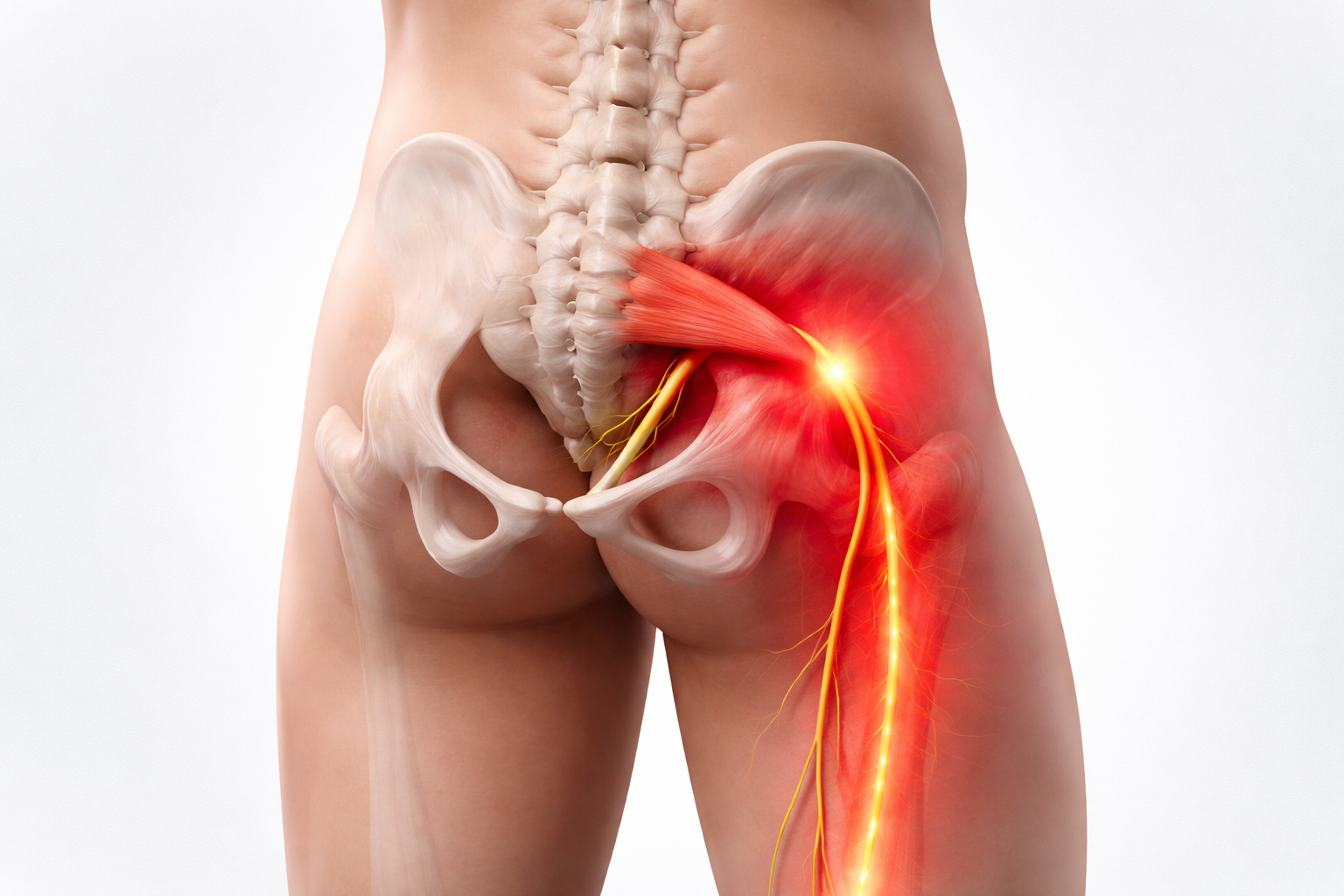
Physiotherapy plays a vital role in restoring movement, reducing pain, and improving overall quality of life. Whether you’re recovering from an injury, managing a chronic condition, or starting therapy for the first time, it’s natural to have questions. This section answers some of the most commonly asked questions about physiotherapy to help you feel informed, confident, and prepared on your path to recovery.
Q1: What is physiotherapy?
A: Physiotherapy is a healthcare discipline focused on restoring movement and function when someone is affected by injury, illness, or disability. It uses exercises, manual therapy, and education to promote recovery and prevent future problems.
Q2: Do I need a doctor’s referral to see a physiotherapist?
A: In many cases, no referral is needed. You can directly book an appointment with a licensed physiotherapist. However, some insurance providers may require a referral for reimbursement.
Q3: What conditions can physiotherapy treat?
A: Physiotherapy helps with a wide range of issues including back pain, joint injuries, stroke rehabilitation, arthritis, post-surgical recovery, sports injuries, and neurological disorders.
Q4: Is physiotherapy painful?
A: Physiotherapy is generally not painful, but some discomfort may be experienced when working on stiff joints or injured muscles. Your therapist will ensure that all treatments are safe and within your tolerance level.
Q5: How many physiotherapy sessions will I need?
A: The number of sessions depends on your condition, its severity, and how your body responds to treatment. Some people improve in a few visits, while others may require long-term care.
Q6: What should I wear to a physiotherapy session?
A: Wear loose, comfortable clothing that allows easy access to the area being treated. For example, wear shorts for knee or hip issues, or a sleeveless top for shoulder concerns.
Q7: What happens during the first session?
A: Your first session includes a detailed assessment of your medical history, physical examination, diagnosis, and the start of a personalized treatment plan. You may also receive exercises to do at home.
Q8: Can physiotherapy help avoid surgery?
A: Yes, in many cases physiotherapy can help reduce pain, improve function, and delay or prevent the need for surgery, especially in conditions like osteoarthritis, disc issues, or tendonitis.
Q9: What are common physiotherapy techniques?
A: Techniques include manual therapy, therapeutic exercises, dry needling, ultrasound therapy, electrical stimulation, posture correction, and ergonomic advice.
Q10: Is home physiotherapy available?
A: Yes, many physiotherapists offer home visits for patients who are unable to travel due to medical or mobility issues. Home therapy can be just as effective when guided by a qualified professional.
Q11: Can children and elderly people benefit from physiotherapy?
A: Absolutely. Physiotherapy is beneficial for all age groups — from pediatric developmental delays to geriatric fall prevention and mobility improvement.
Q12: How soon will I see results from physiotherapy?
A: Some patients feel better within a few sessions, while others may take longer depending on the condition and compliance with home exercises. Consistency is key to faster recovery.