Nerve disorders can disrupt movement, sensation, and daily life—but recovery is possible. This article explores how physiotherapy helps restore function and independence by retraining the nervous system, reducing symptoms like numbness and weakness, and guiding patients from discomfort to control, step by step.
Understanding Nerve Disorders: When the Body’s Wiring Malfunctions
Nerve disorders are a group of conditions that affect the nervous system—brain, spinal cord, and peripheral nerves—leading to symptoms like numbness, tingling, weakness, and even loss of coordination. These symptoms can interfere significantly with daily life and functional mobility, making even simple tasks feel difficult or unsafe.
Nerve disorders may be caused by injuries, infections, chronic diseases like diabetes, or degenerative conditions such as multiple sclerosis or Parkinson’s disease. Regardless of the cause, the common challenge lies in the disruption of communication between the brain and muscles, impairing movement, sensation, or both.
Physiotherapy plays a vital role in the management and rehabilitation of nerve disorders. By applying evidence-based therapeutic techniques, physiotherapists help patients retrain their nervous system, regain control of movements, reduce pain, and restore normal function.
Common Nerve Disorders That Benefit from Physiotherapy
1. Peripheral Neuropathy
Often seen in diabetics or individuals undergoing chemotherapy, this condition leads to tingling, burning sensations, or complete numbness, especially in the hands and feet.
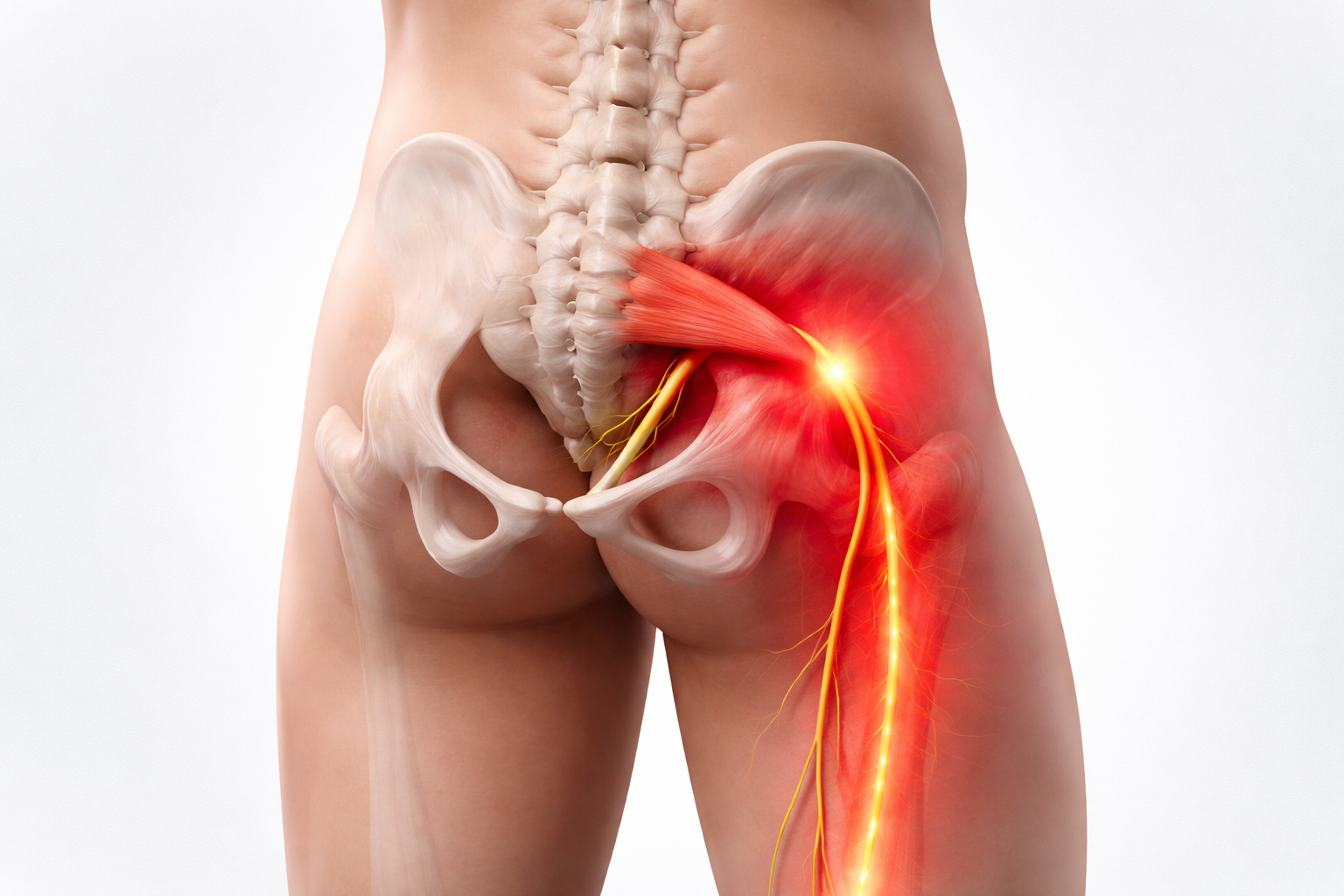
2. Sciatica
Caused by compression or irritation of the sciatic nerve, this condition leads to radiating pain down the leg, numbness, or muscle weakness.
3. Stroke
After a stroke, many patients suffer from hemiparesis (weakness on one side) or hemiplegia (paralysis), along with loss of coordination and balance.
4. Bell’s Palsy
A temporary condition that results in facial nerve paralysis on one side, often linked to viral infections.
5. Carpal Tunnel Syndrome
Compression of the median nerve in the wrist can lead to pain, tingling, and weakness in the hand, especially in those using repetitive hand movements.
6. Multiple Sclerosis & Parkinson’s Disease
These progressive neurological conditions cause motor and sensory impairments that respond positively to ongoing physiotherapy.
The Role of Physiotherapy in Nerve Rehabilitation
Physiotherapy doesn’t just address the symptoms of nerve disorders—it targets the root of functional limitations. With a personalized rehabilitation plan, a physiotherapist can promote neuroplasticity (the brain’s ability to rewire itself), restore muscle strength, and reintroduce proper movement patterns.
Key Goals of Physiotherapy for Nerve Disorders:
- Restore movement and coordination
- Improve muscle strength and tone
- Reduce pain and inflammation
- Enhance balance and gait
- Reeducate muscles and nerves
- Prevent muscle atrophy and joint stiffness
Effective Physiotherapy Treatments for Nerve Disorders
Each nerve disorder demands a unique treatment approach. Here are some commonly used physiotherapy techniques that have proven effective:
1. Neurodevelopmental Therapy (NDT)
Used especially in post-stroke or pediatric cases, NDT focuses on promoting normal movement patterns while inhibiting abnormal ones. It helps retrain the brain through guided functional movements.
2. Manual Therapy
Includes joint mobilization, soft tissue manipulation, and nerve gliding techniques. It helps reduce nerve entrapment and improves range of motion.
3. Sensory Reeducation
When nerves regenerate, they often misfire or fail to interpret sensory input. Sensory reeducation helps the brain recognize different textures, pressures, and temperatures again.
4. Electrical Stimulation (TENS/NMES)
Electrical modalities stimulate nerve conduction and reduce pain. They are useful in cases of muscle weakness and neuropathic pain.
5. Balance & Coordination Exercises
Targeted drills using balance boards, resistance bands, and stability balls can improve proprioception (body awareness) and coordination in patients with nerve damage.
6. Functional Strengthening
Exercises tailored to specific daily tasks—like gripping, walking, or climbing stairs—can gradually rebuild strength and boost confidence.
7. Gait Training
Abnormal walking patterns are common in neurological patients. Physiotherapists use assistive devices, mirror feedback, or treadmill training to correct the gait.
8. Mirror Therapy
Particularly beneficial for stroke and phantom limb patients, mirror therapy tricks the brain into believing movement in the affected limb is happening, promoting faster recovery.
Case Example: Sciatica Management through Physiotherapy
A middle-aged office worker diagnosed with sciatica due to a herniated disc often reports radiating pain from the lower back to the legs, along with occasional numbness. Physiotherapy begins with pain management (ice therapy, gentle stretching), followed by:
- Core strengthening to reduce pressure on the lumbar spine
- Neural mobilization exercises to reduce nerve irritation
- Postural training to correct sitting and standing alignment
- Ergonomic education for workstation setup
Over 6-8 weeks, the patient typically sees improved mobility, reduced pain, and prevention of further flare-ups.
The Science Behind Neuroplasticity
One of the most promising aspects of physiotherapy in nerve rehabilitation is neuroplasticity—the nervous system’s ability to reorganize itself by forming new neural connections. Even after nerve injury, the brain can “learn” to use undamaged parts to take over lost functions. Repetitive exercises, task-specific training, and feedback-based therapy (like biofeedback) play crucial roles in maximizing neuroplasticity.
In simpler terms, physiotherapy teaches the body to “talk” to the brain again—and vice versa.
Psychological and Emotional Benefits
Living with a nerve disorder often comes with anxiety, depression, and reduced self-esteem. Physiotherapy offers more than just physical healing. By helping individuals regain independence, move freely, and perform daily activities, it significantly boosts emotional well-being and quality of life.
Therapists often integrate relaxation techniques, breathing exercises, and patient education to ensure holistic recovery.
When to Start Physiotherapy?
Early intervention is crucial. Starting physiotherapy as soon as a nerve disorder is diagnosed can:
- Prevent complications like contractures or muscle wasting
- Slow the progression of degenerative conditions
- Enhance the success rate of full or partial recovery
Whether the nerve damage is temporary or permanent, physiotherapy provides a structured roadmap for progress and independence.
How Long Does Recovery Take?
Recovery time varies widely depending on:
- Type and severity of the nerve disorder
- Age and overall health of the patient
- Timing of the intervention
- Consistency with therapy sessions and home programs
While some patients notice changes within weeks, others may require months of ongoing therapy. But progress—no matter how small—is always a step toward normalcy.
Final Thoughts
Nerve disorders can interrupt life’s rhythm, but they don’t have to define it. Physiotherapy stands as a beacon of hope, bridging the gap between numbness and normal function. Through a combination of hands-on techniques, technology, and patient-centered care, it empowers individuals to regain control, restore movement, and return to living life fully.
If you or someone you know is living with a nerve disorder, seeking physiotherapy could be the turning point. Because recovery isn’t just about healing—it’s about moving forward.
“Physiotherapy doesn’t just move the body; it rewires the mind. With each session, hope returns, and function follows.”

 Previous Post
 Next Post