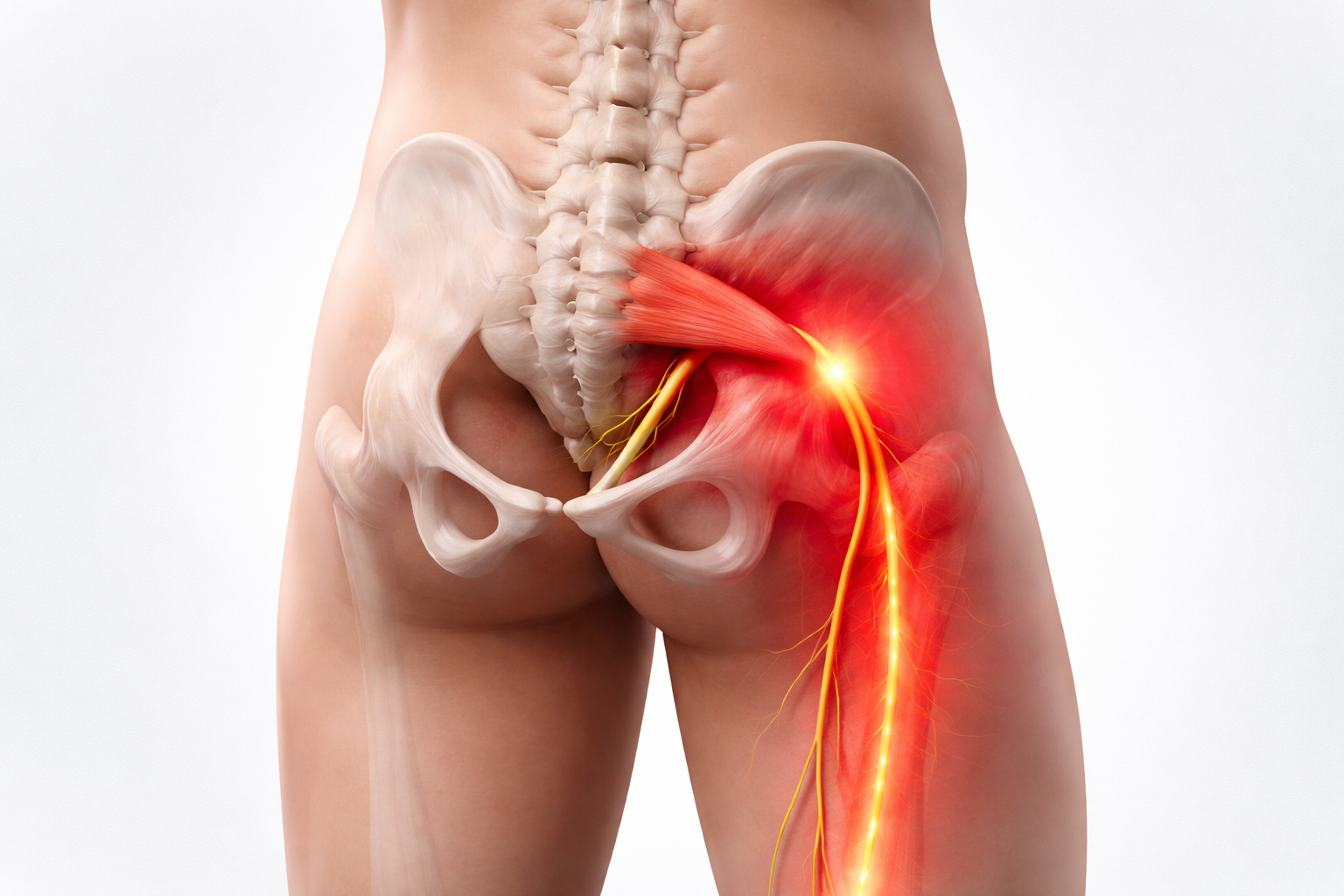
Struggling with frozen shoulder? Discover how physiotherapy restores movement, reduces pain, and accelerates recovery through targeted exercises, manual therapy, and expert care — without surgery or medication.
Frozen shoulder, medically known as adhesive capsulitis, can be a frustrating and painful condition that limits your ability to perform everyday tasks — from lifting your arm to reaching behind your back. It often develops gradually and can persist for months or even years, significantly affecting your quality of life.
Fortunately, physiotherapy offers a powerful, non-invasive path to recovery. With targeted treatments, progressive exercises, and professional guidance, physiotherapy helps restore mobility, reduce pain, and accelerate healing — naturally and effectively.
In this article, you’ll discover how physiotherapy unlocks movement in a frozen shoulder, what to expect from treatment, and why early intervention is key to regaining full shoulder function.
Understanding Frozen Shoulder
Frozen shoulder occurs when the connective tissue surrounding the shoulder joint — known as the joint capsule — becomes inflamed, thickened, and tight. This inflammation leads to pain, stiffness, and restricted range of motion, especially during overhead activities or behind-the-back movements.
Common Causes and Risk Factors:
-
- Prolonged immobility (after surgery, stroke, or injury)
-
- Diabetes
-
- Thyroid disorders
-
- Age (40–60 years old)
-
- Gender (more common in women)
-
- Autoimmune conditions
The condition typically progresses through three stages:
-
- Freezing Stage: Gradual onset of pain with increasing stiffness; movement becomes limited.
-
- Frozen Stage: Pain may subside slightly, but stiffness remains and everyday movement is difficult.
-
- Thawing Stage: Slow improvement in mobility as the capsule loosens.
Each stage can last several months, but physiotherapy can help shorten the duration and improve the outcome at every phase.
Why Physiotherapy Is the Go-To Solution
Physiotherapy treats frozen shoulder by addressing its root causes — stiffness, inflammation, and lack of mobility. Unlike medications that only mask the pain, physiotherapy works to restore function, improve joint mechanics, and prevent long-term complications.
Key Benefits of Physiotherapy for Frozen Shoulder:
-
- Reduces joint inflammation and pain
-
- Restores range of motion
-
- Strengthens supporting muscles
-
- Prevents compensatory movement patterns
-
- Speeds up the natural recovery process
-
- Minimizes the need for surgery or injections
Let’s take a closer look at how each physiotherapy technique helps unlock shoulder movement.
1. Initial Assessment and Diagnosis
Every physiotherapy journey begins with a thorough clinical evaluation. The therapist will assess:
-
- Range of motion (active and passive)
-
- Pain intensity and location
-
- Functional limitations
-
- Muscle strength
-
- Posture and scapular (shoulder blade) alignment
This assessment allows the physiotherapist to tailor a personalized treatment plan based on your stage of frozen shoulder and lifestyle needs.
2. Manual Therapy Techniques
Hands-on therapy is one of the most effective tools for managing frozen shoulder. Manual therapy involves gentle joint mobilizations, soft tissue release, and capsular stretching techniques that help reduce tightness in the joint capsule.
Common manual therapy techniques:
-
- Joint mobilizations: To loosen the capsule and improve joint glide
-
- Myofascial release: To relieve tightness in surrounding muscles
-
- Scapular mobilization: To restore coordination and stability of the shoulder girdle
These techniques are typically pain-free and help prime the joint for more active rehabilitation.
3. Therapeutic Exercises
Progressive exercises form the core of frozen shoulder recovery. A physiotherapist will guide you through a structured program that gradually restores motion, builds strength, and enhances flexibility.
Phased Exercise Approach:
Phase 1: Pain Relief and Gentle Movement
-
- Pendulum swings
-
- Passive shoulder elevation
-
- Wall crawls (using fingers to “walk” up the wall)
Phase 2: Range of Motion and Flexibility
-
- Towel stretches behind the back
-
- Cross-body shoulder stretches
-
- Shoulder pulley exercises
Phase 3: Strength and Function
-
- Resistance band shoulder rotations
-
- Dumbbell shoulder flexion and abduction
-
- Functional movements (e.g., overhead reach, rotational lifts)
Each phase is introduced gradually to avoid aggravating pain while ensuring steady progress.
4. Modalities for Pain and Inflammation
Physiotherapists may also incorporate physical therapy modalities to reduce pain and enhance blood flow. These may include:
-
- Ultrasound therapy: Promotes deep tissue healing
-
- TENS (Transcutaneous Electrical Nerve Stimulation): Reduces pain signals
-
- Moist heat therapy: Loosens tight muscles and improves flexibility
-
- Cold packs: To reduce inflammation after exercises
These treatments support manual therapy and exercises, especially in the early stages when pain and stiffness are most intense.
5. Postural Correction and Movement Education
Frozen shoulder can cause compensatory movements in the neck, back, or opposite shoulder. Physiotherapy includes postural training and ergonomic advice to correct these imbalances and prevent further issues.
Examples:
-
- Scapular setting exercises
-
- Desk and sleeping posture correction
-
- Advice on daily activities like dressing, reaching, or carrying
Understanding how to move without straining the shoulder can greatly reduce discomfort and accelerate recovery.
6. Home Exercise Program
Consistency is crucial in managing frozen shoulder. A physiotherapist will provide a structured home exercise program that complements in-clinic treatment.
-
- Exercises are simple and easy to follow
-
- Includes both stretching and strengthening movements
-
- Designed to be performed 1–2 times daily
-
- Reviewed and progressed regularly
Sticking to your home routine ensures continuous improvement, even outside the therapy sessions.
7. Timeline of Recovery with Physiotherapy
Recovery timelines vary, but physiotherapy significantly reduces the overall duration and severity of the condition.
| Stage | With Physiotherapy | Without Physiotherapy |
| Freezing | 2–4 months | 6–9 months |
| Frozen | 3–6 months | 9–12 months |
| Thawing | 2–4 months | 6+ months |
Total Recovery Time:
With physiotherapy: 6–9 months
Without therapy: 1–2 years or more
Early physiotherapy intervention can even prevent the shoulder from becoming fully frozen, making a huge difference in pain and function.
8. When to Start Physiotherapy
If you notice persistent shoulder pain, stiffness, or difficulty with movements such as:
-
- Reaching overhead
-
- Fastening a bra or belt
-
- Lifting your arm sideways
-
- Sleeping on your side
… don’t wait. The earlier physiotherapy begins, the easier it is to regain full motion and avoid long-term limitations.
Final Thoughts
Frozen shoulder may be a long journey, but it doesn’t have to be a permanent one. With the right physiotherapy approach, movement can be unlocked, pain can be managed, and freedom can be restored.
Physiotherapists don’t just treat symptoms — they empower you with the tools, knowledge, and support needed to reclaim your independence and return to a pain-free lifestyle.
“Healing begins with movement — and physiotherapy helps you move beyond the limits of pain and stiffness.”

- adhesive capsulitis
- frozen shoulder
- frozen shoulder recovery
- manual therapy
- natural pain relief
- non-surgical shoulder treatment
- physical therapy
- physiotherapy for frozen shoulder
- physiotherapy techniques
- regain shoulder movement
- shoulder mobility exercises
- shoulder pain treatment
- shoulder rehabilitation
- shoulder stiffness
- stretching for frozen shoulder
 Previous Post
 Next Post