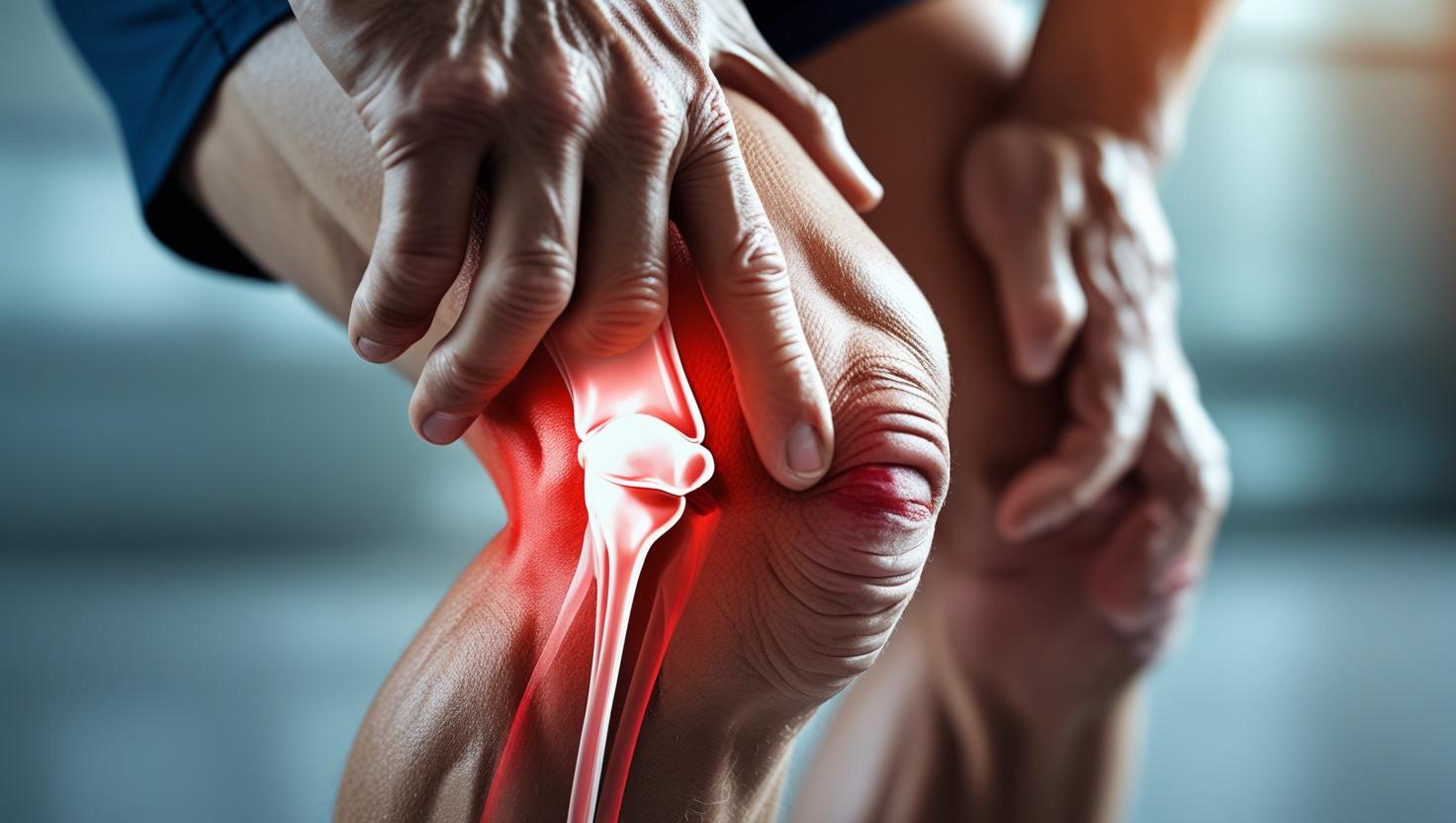
Struggling with knee pain? Discover the most effective physiotherapy exercises that target strength, flexibility, and joint stability — proven methods to reduce pain and restore movement naturally.
Knee pain can be a daily challenge — whether it’s a sharp twinge during movement or a dull ache while at rest. It affects people across all age groups and activity levels, often interfering with walking, climbing stairs, exercising, or simply enjoying everyday life. But there’s good news: physiotherapy exercises have proven to be one of the most effective, drug-free ways to reduce knee pain, improve strength, and restore mobility.
This article dives deep into evidence-based physiotherapy exercises that actually work to relieve knee pain. Whether you’re dealing with arthritis, a sports injury, post-surgical recovery, or chronic overuse, the right set of exercises can help you move with ease again — safely and confidently.
Understanding Knee Pain: Causes & Impact
Before jumping into exercises, it’s important to understand the common causes of knee pain. The knee is a complex joint involving bones, cartilage, ligaments, tendons, and muscles. Pain can result from:
- Osteoarthritis
- Patellofemoral pain syndrome (runner’s knee)
- Meniscus tears
- Ligament injuries (ACL, MCL)
- Tendonitis
- Overuse or poor biomechanics
Ignoring knee pain can lead to stiffness, muscle weakness, altered walking patterns, and further joint damage. That’s why early intervention through physiotherapy can play a critical role in recovery and long-term joint health.
Why Physiotherapy Exercises Work for Knee Pain
Physiotherapy focuses on functional recovery — not just reducing pain, but also restoring movement, strength, flexibility, and balance. Unlike passive treatments, exercises address the root causes by:
- Strengthening the supporting muscles around the knee
- Improving joint alignment and posture
- Enhancing flexibility of tight muscles
- Promoting better shock absorption and movement patterns
- Reducing pressure on damaged structures
The following exercises are safe, widely recommended by physiotherapists, and effective when performed consistently. Always consult a qualified professional before starting any exercise program, especially if you have an injury or pre-existing condition.
1. Quad Sets (Isometric Quadriceps Contraction)
Purpose: Activate and strengthen the quadriceps without moving the knee.
How to do it:
- Sit or lie with your leg straight and supported.
- Tighten the front thigh muscle by pressing the back of your knee into the floor.
- Hold for 5–10 seconds, then relax.
- Repeat 10–15 times per leg.
Why it works: Strengthens the quadriceps, which stabilizes and supports the knee joint — crucial for reducing pain in conditions like arthritis or patellofemoral syndrome.
2. Straight Leg Raises
Purpose: Strengthen the quadriceps without knee bending.
How to do it:
- Lie on your back with one leg straight and the other bent at the knee.
- Tighten your thigh muscle and lift the straight leg about 12 inches off the floor.
- Hold for 2–3 seconds, then lower slowly.
- Repeat 10–15 times for 2–3 sets.
Why it works: Improves knee stability and function, especially for beginners or those recovering from surgery or injury.
3. Bridges
Purpose: Activate the glutes and hamstrings, which support knee alignment.
How to do it:
- Lie on your back with knees bent and feet flat on the ground.
- Tighten your core and lift your hips to form a straight line from shoulders to knees.
- Hold for 5–10 seconds, then lower slowly.
- Repeat 10–15 times for 2 sets.
Why it works: Weak glutes can shift pressure to the knees. Strengthening them helps reduce strain and improves biomechanics.
4. Hamstring Curls
Purpose: Strengthen the back of the thigh for better knee control.
How to do it:
- Stand behind a chair for support.
- Slowly bend one knee, bringing your heel toward your buttocks.
- Hold for 3–5 seconds, then lower.
- Repeat 10–15 times per leg.
Why it works: Enhances balance between the quadriceps and hamstrings, preventing joint instability and injury.
5. Heel and Calf Raises
Purpose: Strengthen calf muscles, which contribute to shock absorption during walking and running.
How to do it:
- Stand upright, holding onto a wall or chair.
- Slowly rise onto your toes, lifting both heels.
- Hold for 3 seconds, then lower.
- Perform 2 sets of 10–15 reps.
Why it works: Strong calves assist in knee joint stability and reduce impact during daily movement.
6. Step-Ups
Purpose: Functional strengthening of leg muscles during common activities like stair climbing.
How to do it:
- Use a low step or staircase.
- Step up with one foot, bringing the other up to stand fully.
- Step back down slowly with the same leg.
- Perform 10–12 repetitions per leg.
Why it works: Builds leg strength and coordination while mimicking real-life movements that stress the knees.
7. Wall Sits
Purpose: Improve isometric strength of the quadriceps and glutes.
How to do it:
- Stand with your back against a wall.
- Slide down into a seated position (as if on an invisible chair), keeping knees behind toes.
- Hold for 10–30 seconds, then slowly stand up.
- Repeat 3–5 times.
Why it works: Builds endurance and strength in knee-supporting muscles, ideal for long-term joint support.
8. Clamshells
Purpose: Strengthen the hip abductors and external rotators.
How to do it:
- Lie on your side with knees bent and feet together.
- Keep your feet touching and lift your top knee while keeping the pelvis stable.
- Lower slowly and repeat 10–15 times per side.
Why it works: Improves hip stability and knee alignment during walking and movement.
9. Calf and Hamstring Stretches
Purpose: Enhance flexibility, reduce stiffness, and support full range of motion.
How to do calf stretch:
- Stand facing a wall with one foot forward, one back.
- Press the back heel into the floor and lean forward.
- Hold for 20–30 seconds.
How to do hamstring stretch:
- Sit on the floor with one leg extended.
- Reach toward your toes while keeping your back straight.
- Hold for 20–30 seconds.
Why it works: Stretching helps relieve tension, improve blood flow, and prevent further strain on the knee joint.
Additional Tips for Knee Pain Relief
- Warm up before any exercise session with 5–10 minutes of light walking or cycling.
- Stay consistent — perform exercises 3–5 times a week for best results.
- Avoid high-impact activities like running or jumping until your knee has regained strength.
- Use proper form to avoid strain. If unsure, consult a physiotherapist.
- Apply ice post-exercise if pain or swelling increases.
- Maintain healthy body weight to reduce pressure on knee joints.
When to Seek Professional Help
While these exercises are highly effective, they may not be suitable for every type of knee issue. You should consult a physiotherapist or healthcare provider if:
- Pain worsens during or after exercise
- Swelling or redness increases
- You feel locking, instability, or catching in the knee
- Home exercises do not improve symptoms within 2–3 weeks
Final Thoughts
You don’t need to live with knee pain or rely on painkillers for relief. With the right physiotherapy exercises, you can strengthen the muscles that support your knees, enhance mobility, and reduce pain naturally. These movements may look simple, but when done consistently with proper technique, they can make a significant difference in your quality of life.
Let your recovery be active. Let your movement be medicine. Say goodbye to knee pain — and hello to strength, confidence, and freedom of movement.
“Healing begins when motion meets intention — let each step take you closer to pain-free living.”

 Previous Post
 Next Post