Regain full elbow motion without discomfort — physiotherapy empowers you to reclaim strength, mobility, and function in your arm through targeted, pain-free rehabilitation.
Your elbow might not be the largest joint in the body, but it plays an essential role in your everyday life. From lifting groceries to brushing your teeth or working on a keyboard, elbow motion makes these actions seamless. When pain strikes the elbow—due to injury, overuse, or age-related degeneration—it can significantly impact your quality of life. Fortunately, physiotherapy offers science-backed, non-invasive solutions to restore elbow function and reduce pain effectively.
This article delves into the various causes of elbow dysfunction, how physiotherapy helps in restoring its function, and what recovery through targeted care looks like.
Common Causes of Elbow Pain and Dysfunction
Before diving into physiotherapy interventions, it’s important to understand why elbow problems occur. Elbow dysfunction may arise from:
- Tendon Injuries
- Tennis Elbow (Lateral Epicondylitis): Overuse of the forearm extensors.
- Golfer’s Elbow (Medial Epicondylitis): Involves flexor tendons, common in golfers or heavy lifters.
- Elbow Fractures or Dislocations
- Trauma can cause joint instability or stiffness post-immobilization.
- Repetitive Strain Injuries (RSI)
- Often seen in desk workers, mechanics, or athletes.
- Bursitis
- Inflammation of the bursa (fluid-filled sac), causing pain and swelling.
- Arthritis
- Osteoarthritis or rheumatoid arthritis can gradually reduce elbow flexibility.
- Post-surgical Stiffness
- After elbow surgeries, mobility may be limited without guided rehabilitation.
The Power of Physiotherapy in Elbow Recovery
Physiotherapy isn’t just about healing; it’s about optimizing function and preventing recurrence. A physiotherapist tailors a treatment plan that addresses the root cause of your elbow issue, ensuring long-term recovery.
1. Pain Relief and Inflammation Management
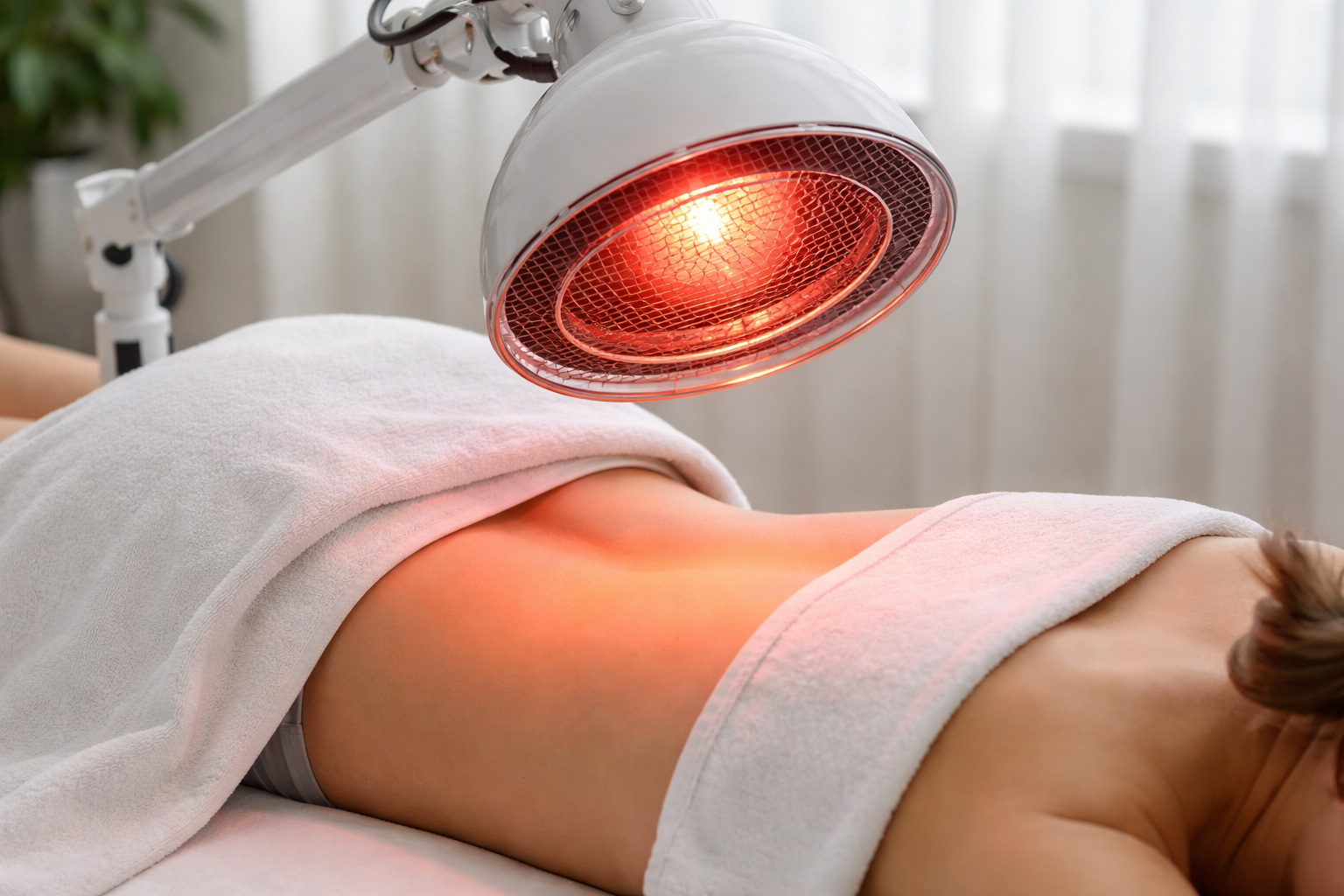
- Modalities like ultrasound therapy, TENS (Transcutaneous Electrical Nerve Stimulation), and ice/heat applications are often used to reduce swelling and control pain.
- Manual therapy techniques such as soft tissue mobilization can desensitize trigger points and promote blood circulation.
2. Range of Motion (ROM) Restoration
- After injuries or surgery, stiffness is common. Passive and active-assisted movements are introduced gradually to restore elbow flexion and extension without strain.
3. Strengthening Exercises
- Weak surrounding muscles can lead to instability and recurring pain.
- Elbow strengthening includes working on:
- Wrist extensors and flexors
- Biceps and triceps
- Shoulder girdle muscles (to support upper limb function)
4. Neuromuscular Re-education
- Coordination and joint awareness are retrained through proprioceptive activities, helping your body “remember” how to move correctly and safely.
5. Activity Modification and Ergonomics
- Learning new movement patterns or altering workstations prevents further damage.
- Physiotherapists often guide patients in modifying athletic techniques or lifting strategies.
6. Dry Needling or Myofascial Release
- In chronic cases, techniques like dry needling are used to deactivate stubborn trigger points in elbow-related muscles.
Elbow Rehabilitation: What to Expect
Initial Evaluation
A detailed physical examination assesses:
- Pain location and intensity
- Joint range of motion
- Muscle strength and imbalances
- Functional limitations
Objective tests like the Cozen’s test (for tennis elbow) or the valgus stress test (for ligament injuries) help pinpoint the issue.
Goal-Oriented Program Design
Based on your diagnosis, the physiotherapist outlines goals:
- Short-term: Pain reduction and ROM improvement
- Mid-term: Strengthening and function
- Long-term: Return to normal or sports activities without symptoms
Conditions Treated with Elbow Physiotherapy
Here are some common elbow conditions physiotherapy treats effectively:
1. Tennis Elbow
- Eccentric wrist extensor training, forearm bracing, and manual release therapy form the core of treatment.
2. Golfer’s Elbow
- Focus shifts to strengthening the wrist flexors and correcting grip mechanics.
3. Elbow Arthritis
- Joint mobilization, hydrotherapy, and low-impact exercises improve joint nutrition and slow progression.
4. Cubital Tunnel Syndrome
- Stretching and nerve gliding exercises help in releasing the entrapped ulnar nerve.
5. Post-operative Rehabilitation
- After elbow surgeries, controlled and supervised movements restore joint flexibility while minimizing scar tissue.
Home Care and Self-Management Tips
While guided physiotherapy is essential, your commitment at home accelerates recovery:
- Stretch daily using towel stretches, wall stretches, or gravity-assisted ROM exercises.
- Ice packs for 15–20 minutes post-exercise reduce soreness.
- Use ergonomic tools like padded grips or arm supports during repetitive tasks.
- Rest adequately between activity bouts to avoid re-injury.
When to Seek Physiotherapy for Elbow Pain
You should consult a physiotherapist if:
- Elbow pain persists beyond a week despite rest
- You feel weakness or tingling in your arm or hand
- You experience swelling or loss of movement
- Pain limits your ability to perform daily tasks
Early intervention ensures a shorter recovery timeline and better outcomes.
Prevention Tips for Long-Term Elbow Health
- Warm Up and Cool Down
- Essential before workouts or sports involving arm movement.
- Correct Lifting Techniques
- Avoid bending your wrist or locking your elbow while lifting.
- Use Proper Sporting Gear
- Racquets, gloves, or braces designed for your sport reduce strain.
- Strengthen Shoulder and Wrist
- A strong kinetic chain supports elbow function.
- Listen to Your Body
- Don’t ignore dull aches or fatigue in your arms.
Real-Life Success Story
Raj, a 38-year-old software engineer, developed severe tennis elbow after months of working long hours. His condition worsened to the point where lifting a cup caused pain. After six weeks of dedicated physiotherapy involving stretching, soft tissue release, and resistance band strengthening, Raj reported 90% improvement. He now follows an ergonomic workstation setup and continues preventive exercises weekly.
Elbow Physiotherapy: Beyond Pain Relief
Physiotherapy is more than a temporary fix; it’s a holistic journey toward elbow function recovery. It addresses not just pain but the biomechanics, habits, and muscle patterns that caused the problem. Whether you’re an athlete, a desk-bound worker, or a senior adult, reclaiming elbow health through physiotherapy can profoundly enhance your mobility, independence, and quality of life.
Final Thoughts
The elbow might be a small joint, but it holds big responsibilities. Pain and dysfunction can quickly limit your lifestyle. Thankfully, with early diagnosis, a well-structured physiotherapy plan, and commitment to recovery, elbow issues can be resolved effectively—often without medication or surgery.
If you’re struggling with elbow discomfort or reduced mobility, it’s time to bend without pain again. Physiotherapy offers a gentle, personalized path to healing that restores confidence in every movement.
“Movement is the medicine for creating change in a person’s physical, emotional, and mental states.” – Carol Welch

- bend without pain
- drug-free pain relief
- elbow injury physiotherapy
- elbow mobility restoration
- elbow pain physiotherapy
- elbow physiotherapy exercises
- elbow rehab program
- golfer's elbow treatment
- how to heal elbow stiffness naturally
- joint pain recovery
- orthopedic physiotherapy
- physical therapy for elbow pain
- regain elbow function
- tennis elbow rehab
 Previous Post
 Next Post