Poor posture and spine discomfort aren’t just modern problems—they’re warning signs. Discover how physiotherapy transforms a slouched spine into a pillar of strength through guided movement, education, and long-term spinal care.
In today’s digital age, many of us spend hours hunched over screens, seated at desks, or lounging on couches—often at the expense of our spine health. While occasional slouching might seem harmless, habitual poor posture can lead to chronic back pain, muscular imbalances, and even long-term spinal degeneration. Physiotherapy offers a powerful, drug-free, and proactive approach to restoring and maintaining spinal integrity. From posture correction to deep core activation, physiotherapy lays the foundation for lasting spine support.
This article explores the causes and consequences of spinal problems, how physiotherapy intervenes to correct them, and what individuals can do to regain strength, mobility, and confidence in every movement.
Why Spinal Health Matters
The human spine is an architectural marvel. Composed of 33 vertebrae, intervertebral discs, joints, ligaments, and muscles, it not only supports the body’s weight but also protects the spinal cord—a vital part of the central nervous system. A healthy spine enables upright posture, balance, and coordinated movement.
However, when posture is poor or repetitive strain occurs, the spine starts to bear loads in an imbalanced way. This causes stress on discs and ligaments, muscle fatigue, and nerve irritation. Over time, the following issues can arise:
- Chronic neck or lower back pain
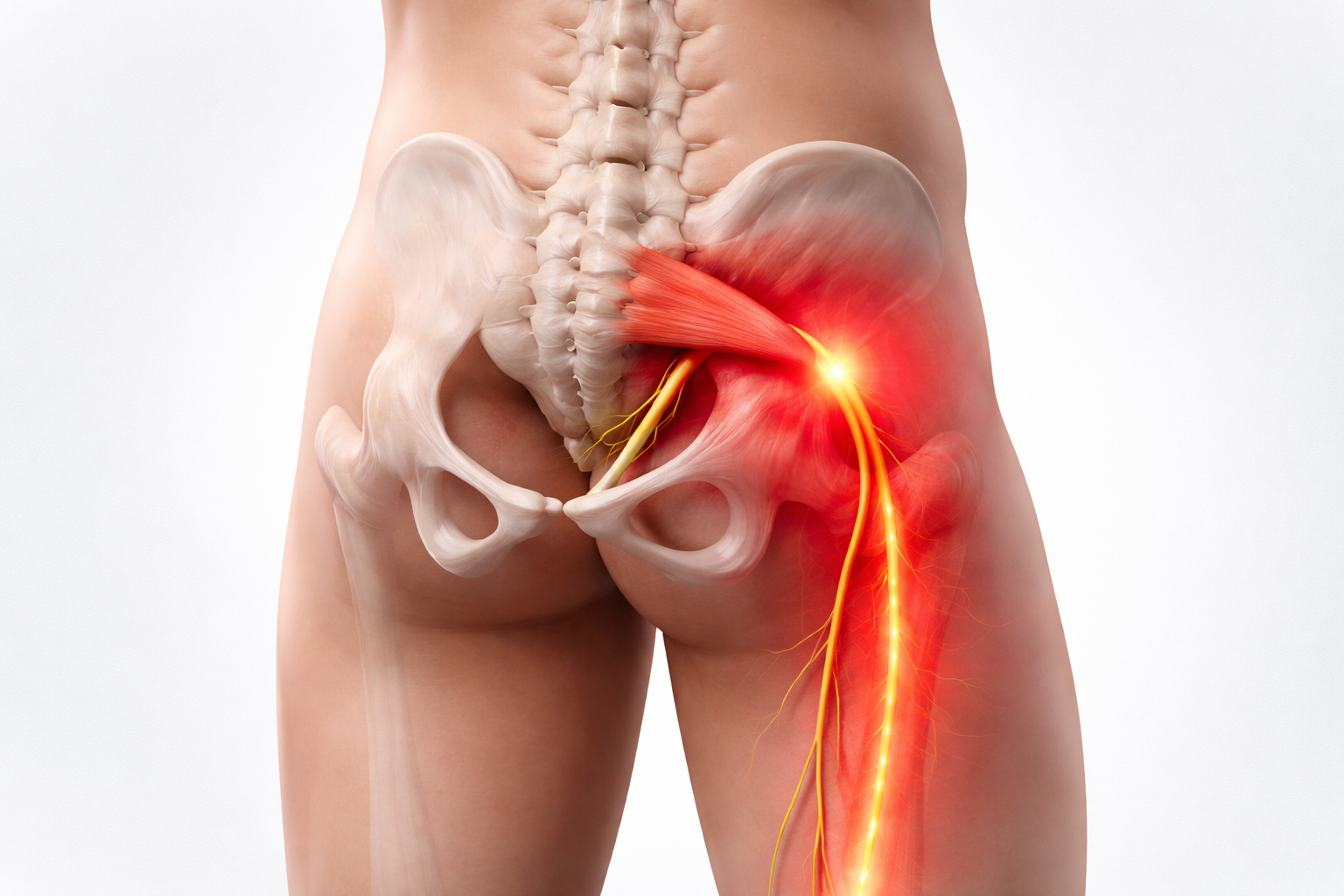
- Sciatica or radiating pain into limbs
- Disc herniation
- Kyphosis (excessive upper back rounding)
- Muscle stiffness or spasms
- Poor core stability
Common Causes of Poor Spine Support
Understanding the root causes of spinal issues helps pave the way for targeted physiotherapy. Some of the most common contributors include:
1. Sedentary Lifestyle
Prolonged sitting weakens the core, tightens hip flexors, and places excess pressure on lumbar discs.
2. Workplace Ergonomics
Non-ergonomic chairs, poorly positioned screens, and incorrect desk heights promote slouching.
3. Technology Use
“Text neck” is a modern condition caused by bending the neck forward to look at phones and tablets for extended periods.
4. Injury or Trauma
Accidents, falls, or lifting injuries can destabilize the spinal structure, necessitating rehabilitative therapy.
5. Lack of Exercise
Without regular movement, postural muscles weaken, and imbalances develop.
How Physiotherapy Supports Spinal Health
Physiotherapy isn’t just about treating pain—it’s about retraining the body. With proper assessment and a tailored approach, physiotherapists restore natural alignment, enhance movement patterns, and prevent future issues.
1. Postural Assessment and Correction
A physiotherapist begins by evaluating posture in standing, sitting, and movement. They identify rounded shoulders, forward head posture, uneven hips, or spinal curves. Then, correctional exercises and education help patients become more aware of their posture in daily life.
2. Core Strengthening
The deep core muscles—including the transversus abdominis, pelvic floor, and multifidus—act like a corset for the spine. Strengthening these stabilizers improves spinal control and reduces stress on vertebral structures.
Popular physiotherapy exercises include:
- Dead bugs
- Bird-dogs
- Planks
- Pelvic tilts
3. Mobility Training
Stiff joints and tight muscles can limit proper movement and force the spine to compensate. Stretching and mobilization techniques restore motion in key areas like the hips, thoracic spine, and shoulders.
4. Manual Therapy
Hands-on techniques such as joint mobilization, myofascial release, and soft tissue massage help relieve muscle tension, enhance circulation, and promote spinal alignment.
5. Ergonomic Education
Physiotherapists teach patients how to set up workstations, adjust sitting postures, and incorporate movement breaks. These habits protect the spine during prolonged activities.
6. Functional Re-training
Everyday activities like lifting, standing, and walking require optimal spinal coordination. Physiotherapists guide patients to move efficiently and avoid harmful patterns.
Specific Conditions Treated with Spine Physiotherapy
Whether you’re battling persistent back discomfort or recovering from injury, physiotherapy adapts to your unique spinal needs. Common conditions treated include:
Low Back Pain
The leading cause of global disability, low back pain often results from weak core muscles or mechanical stress. Physiotherapy reduces inflammation, strengthens support muscles, and teaches proper lifting and sitting techniques.
Sciatica
Caused by compression of the sciatic nerve, sciatica produces pain that radiates down the leg. Physiotherapy includes nerve glides, spinal decompression exercises, and pelvic alignment correction.
Cervical Spondylosis
Age-related degeneration in the neck can be managed through cervical traction, deep neck flexor strengthening, and posture re-education.
Herniated Disc
A slipped or bulging disc puts pressure on nearby nerves. Physiotherapy improves spinal stability and helps reduce the disc’s pressure through McKenzie or directional preference techniques.
Postural Kyphosis
Characterized by excessive curvature in the thoracic spine, postural kyphosis responds well to scapular stabilization and back extension exercises.
Recovery Timeline and Expectations
Spinal rehabilitation is a journey. While acute pain may subside in weeks, building long-term strength and preventing relapse often requires consistent effort over months. Recovery timelines depend on:
- The severity of the condition
- The patient’s age and general health
- Adherence to the home exercise program
- Lifestyle and ergonomic changes
Most patients notice improvement within 4–6 weeks of consistent physiotherapy. Long-term benefits, however, stem from integrating physiotherapist-guided habits into daily routines.
Preventive Tips for a Stronger Spine
While therapy can correct issues, prevention is even more powerful. Here are some simple ways to support your spine every day:
- Sit upright with feet flat and shoulders relaxed
- Use a lumbar support or rolled towel behind your lower back
- Set a reminder to stand or stretch every 30–45 minutes
- Sleep with a supportive mattress and pillow
- Engage in regular low-impact activities like swimming, yoga, or walking
- Strengthen your core and stretch key muscle groups regularly
The Psychological Side of Spine Support
Pain, especially chronic spinal discomfort, can affect more than your body—it influences mood, sleep, confidence, and even work productivity. Physiotherapists often address psychosocial aspects by encouraging:
- Mindful movement
- Pain coping strategies
- Realistic goal setting
- Positive reinforcement
A confident posture and pain-free movement often lead to improved mental health and self-esteem.
Why Physiotherapy Is a Long-Term Investment
Unlike quick fixes like painkillers or back braces, physiotherapy empowers patients with tools to manage and prevent future problems. It’s a collaborative process rooted in education, movement, and healing.
Whether you’re recovering from an injury, managing a chronic condition, or simply striving for better posture, physiotherapy provides a foundation for a healthier spine and a better quality of life.
“Your spine is your support system—treat it well, and it will hold you tall for life.”

- back pain physiotherapy
- back pain prevention tips
- core strengthening for spine
- ergonomic tips for back pain
- improve posture with physiotherapy
- lumbar support exercises
- physiotherapy for herniated disc
- physiotherapy for scoliosis
- physiotherapy for slouching
- physiotherapy for spine support
- posture correction therapy
- spinal rehabilitation exercises
- spine physiotherapy
- strengthening spine naturally
- text neck treatment physiotherapy
 Previous Post
 Next Post