Reclaim your strength and function naturally—discover how physiotherapy can help you recover from hand and wrist injuries without going under the knife.
When everyday tasks like buttoning a shirt, lifting a bag, or typing on a keyboard become painful or impossible, it’s time to take your hand and wrist health seriously. Injuries or chronic conditions affecting these joints are surprisingly common, especially in the age of smartphones and desk jobs. The good news? You don’t always need surgery to get better. With modern physiotherapy, you can regain grip strength, mobility, and function—safely and effectively. Welcome to a new chapter in recovery: Grip Again—Hand & Wrist Rehab Without Surgery.
Why Hand and Wrist Pain Happens
Hand and wrist discomfort may stem from:
- Overuse injuries: Like carpal tunnel syndrome, De Quervain’s tenosynovitis, or tendinitis.
- Fractures and sprains: Often due to falls or impact injuries.
- Arthritis: Osteoarthritis or rheumatoid arthritis can stiffen and deform joints.
- Nerve compressions or soft tissue inflammation
- Repetitive Strain Injuries (RSIs): Typing, gaming, or using tools without breaks.
Whether it’s a result of trauma or repetition, the goal is the same—restore function without risking the complications that come with surgery.
Understanding Non-Surgical Rehab for the Hand & Wrist
Rehabilitation through physiotherapy focuses on restoring movement, reducing pain, and building strength without invasive procedures. Non-surgical approaches are increasingly preferred, especially when conditions are detected early and treated diligently.
Key components of non-surgical rehab include:
1. Manual Therapy
Hands-on techniques used by physiotherapists to mobilize stiff joints, release tight soft tissues, and improve circulation. For wrist stiffness or post-fracture recovery, these techniques can significantly improve mobility.
2. Therapeutic Exercises
Custom-designed exercises to target:
- Grip strength
- Wrist extension and flexion
- Finger mobility
- Thumb stabilization
For example, using therapy putty, stress balls, or resistance bands can rebuild the small but vital muscles that power your grip.
3. Splinting and Bracing
Custom splints can support healing while still allowing partial movement. Unlike casts, they’re adjustable and removable, helping prevent stiffness and muscle loss.
Conditions like carpal tunnel syndrome or thumb arthritis often respond well to night splints combined with targeted exercises.
4. Electrotherapy
Modalities like TENS (Transcutaneous Electrical Nerve Stimulation) or ultrasound therapy can reduce pain and inflammation, promoting healing at the cellular level.
5. Ergonomic Correction
For office workers or individuals with repetitive tasks, your physiotherapist may recommend changes to your workstation, typing posture, or tools to prevent recurrence.
Conditions That Respond Well to Non-Surgical Physiotherapy
Physiotherapy is effective for a range of hand and wrist conditions, including:
✅ Carpal Tunnel Syndrome
A common condition caused by pressure on the median nerve. Wrist stretches, nerve gliding exercises, splints, and ergonomic advice are often enough to resolve symptoms.
✅ Tendinitis (Wrist & Thumb)
Inflammation of tendons due to overuse. Physiotherapy can reduce inflammation through rest, manual therapy, and progressive loading.
✅ Wrist Sprains and Fractures (Post-Healing Phase)
Once fractures have healed or sprains stabilized, rehab focuses on restoring range of motion, function, and strength.
✅ Trigger Finger
A painful locking of the finger due to tendon inflammation. Stretching, splinting, and ultrasound therapy often help avoid corticosteroid injections or surgery.
✅ Arthritis (Osteo & Rheumatoid)
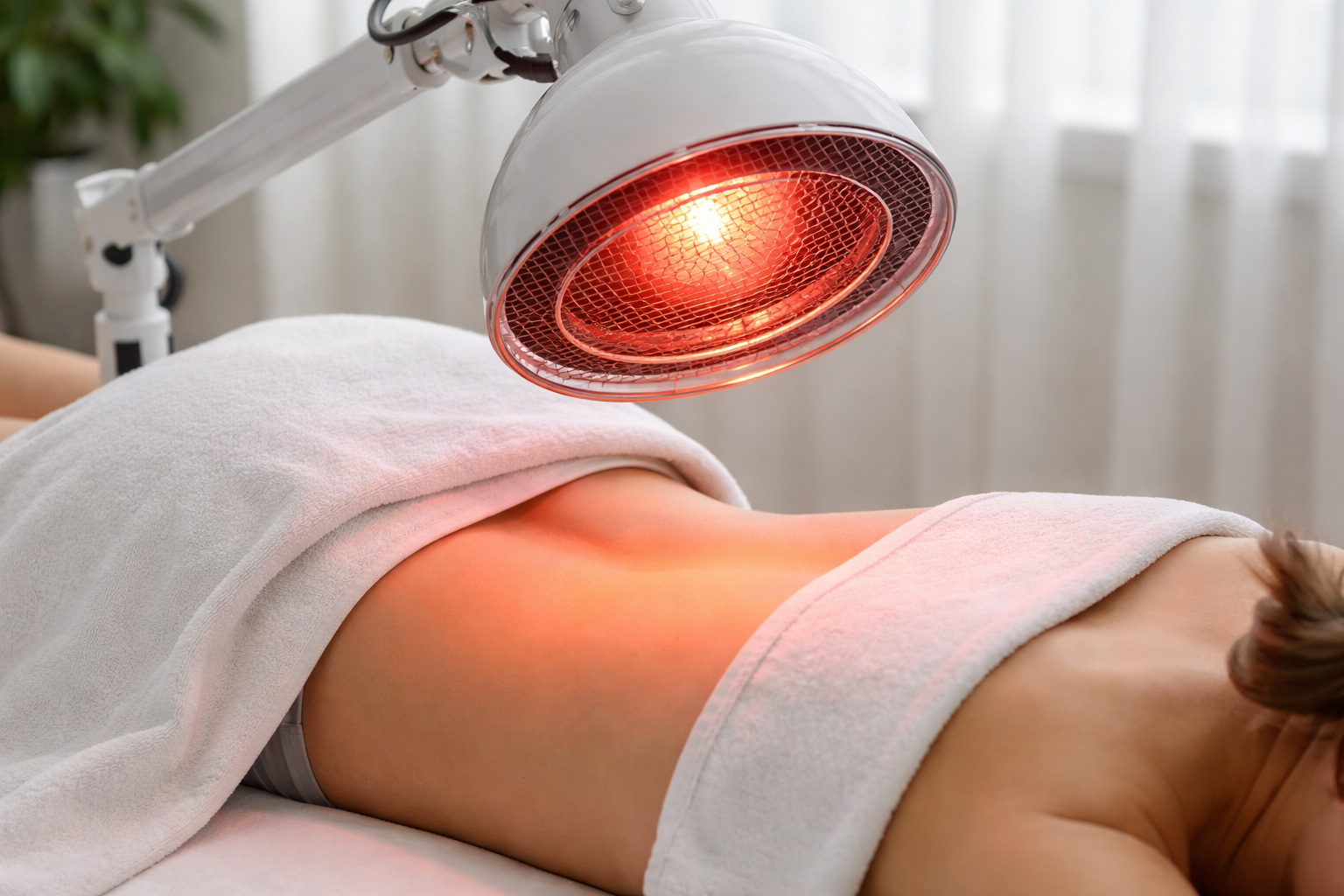
Joint stiffness and deformities can be managed with hand exercises, heat therapy, and mobility techniques, improving quality of life and hand function.
The Healing Timeline: What to Expect
Rehabilitation without surgery may take time, but the body is capable of remarkable recovery when given the right tools and environment.
🔹 Acute Phase (0–2 weeks):
- Pain management
- Rest with protective splints
- Gentle range-of-motion exercises
🔹 Subacute Phase (2–6 weeks):
- Controlled strengthening
- Begin grip training
- Gradual reintroduction to daily tasks
🔹 Functional Phase (6–12 weeks):
- Focus on coordination and dexterity
- Use of therapy tools like grip balls and putty
- Ergonomic training and return to work/sport
Preventing Future Injuries
Once you’ve regained function, prevention becomes key:
- Take micro-breaks during repetitive tasks.
- Warm-up your wrists before workouts.
- Use ergonomic tools like mouse pads with wrist supports.
- Don’t ignore early warning signs like numbness or tingling.
- Strengthen forearm muscles as they support wrist mechanics.
Benefits of Non-Surgical Hand & Wrist Rehab
✔ Avoid surgery and its complications
✔ Faster return to activity with less downtime
✔ Preserve tissue integrity and joint flexibility
✔ Cost-effective and non-invasive
✔ Custom treatment plans based on your needs
When Surgery Is Necessary
While non-surgical methods are effective for many, there are times when surgery becomes unavoidable—like severe fractures, tendon ruptures, or advanced nerve compression. However, even in these cases, pre-surgical physiotherapy (prehab) and post-op rehab are crucial for better outcomes.
Real-Life Recovery: A Brief Case Insight
Raj, a 40-year-old IT professional, was diagnosed with early-stage carpal tunnel syndrome. He feared surgery and turned to physiotherapy. Through 8 weeks of guided wrist stretches, nerve glides, ergonomic changes, and night splinting, his symptoms resolved—without a scalpel or injections.
Home Care Tools to Support Your Recovery
You can supplement your in-clinic therapy with:
- Therapy putty or grip trainers
- Cold/hot compress packs
- Ergonomic mouse and keyboard
- Wrist wraps or athletic tape
Remember: consistency matters more than intensity.
Your Commitment Counts
Recovery doesn’t just depend on your physiotherapist—it’s a team effort. Your active participation at home, regular follow-ups, and adherence to exercise plans are what transform temporary relief into long-term healing.
Final Thoughts: Healing in Your Hands
Surgery isn’t always the answer—and in many hand and wrist conditions, it’s avoidable. With a focused, evidence-based rehab plan and the support of trained professionals, you can rebuild your grip, restore your confidence, and regain your independence. Every joint matters, but the hands—tools of creation, work, and connection—deserve extra care. Start your recovery journey today. Grip again—stronger than ever.
“The strength of your grip isn’t just in your hands—it’s in your decision to heal naturally and move freely.”

- carpal tunnel therapy
- finger exercises physiotherapy
- grip rehab physiotherapy
- grip strength recovery
- hand physiotherapy
- hand therapy without surgery
- natural treatment for hand arthritis
- non-surgical hand treatment
- physiotherapy for wrist injury
- tendonitis wrist physiotherapy
- wrist pain rehab
- wrist sprain rehab
 Previous Post
 Next Post