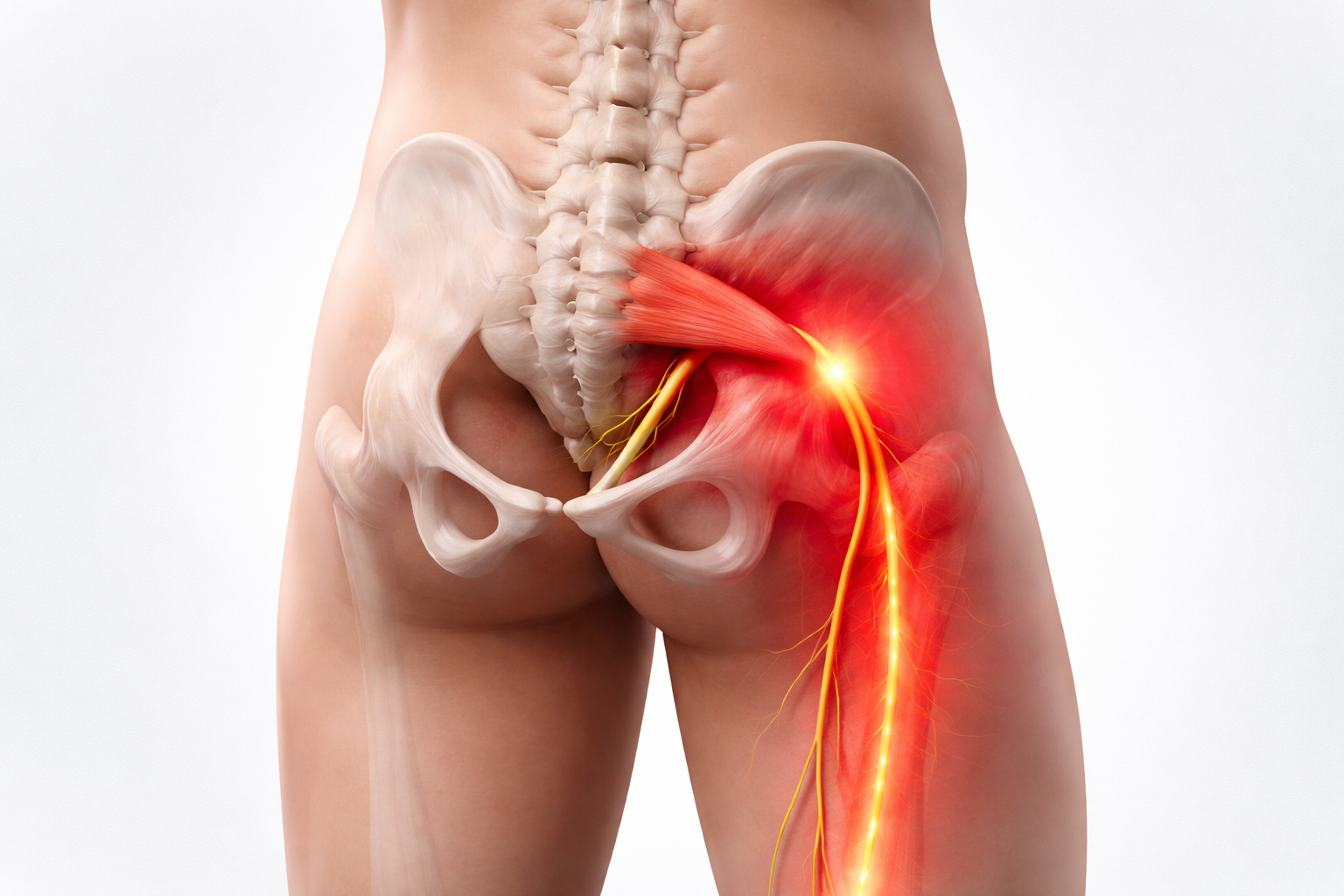
Living with multiple sclerosis can feel like an unpredictable journey, but neuro physiotherapy helps regain control. Learn how tailored rehab strategies improve mobility, balance, and daily independence for people with MS.
Multiple Sclerosis (MS) is a chronic neurological condition that disrupts the communication between the brain and the rest of the body. For many, one of the most challenging symptoms of MS is impaired mobility. From muscle weakness and spasticity to coordination issues and fatigue, MS can significantly impact a person’s ability to walk, move, and perform daily tasks.
But there’s hope—Neuro Rehabilitation, a specialized branch of physiotherapy, provides people with MS the tools and strategies they need to improve mobility, maintain function, and enhance their quality of life. This article delves into how neuro rehab works, its benefits, and how it empowers people with MS to move more freely and confidently.
What is Multiple Sclerosis (MS)?
Multiple Sclerosis is an autoimmune condition that affects the central nervous system (CNS), including the brain, spinal cord, and optic nerves. The immune system mistakenly attacks the protective covering of nerve fibers (myelin), causing inflammation and damage. This disrupts the flow of information within the CNS and between the brain and body.
Common symptoms of MS include:
- Muscle weakness
- Spasticity (muscle stiffness)
- Fatigue
- Balance and coordination problems
- Numbness or tingling
- Vision issues
- Cognitive changes
- Bladder and bowel dysfunction
The disease varies greatly among individuals. Some may experience long periods of remission, while others face a progressive decline in mobility.
Why Does Mobility Decline in MS?
MS can damage the parts of the CNS that control movement and coordination. This leads to:
- Weakness in limbs: Making walking or standing more difficult
- Spasticity: Causing stiffness and limiting range of motion
- Balance disturbances: Increasing the risk of falls
- Fatigue: Reducing endurance for daily activities
- Ataxia (uncoordinated movements): Hindering smooth, purposeful movement
All these factors make movement challenging. Fortunately, physiotherapy and neuro rehab can mitigate these issues and help individuals maintain independence.
Neuro Rehab: A Specialized Approach to MS Care
Neuro rehabilitation is a branch of physiotherapy focused on helping individuals with neurological conditions, like MS, recover and adapt. It uses evidence-based exercises and functional training techniques to promote neuroplasticity—the brain’s ability to rewire and adapt despite damage.
Key Goals of Neuro Rehab for MS Patients:
- Improve strength and flexibility
- Enhance balance and coordination
- Reduce spasticity and muscle tightness
- Boost endurance and decrease fatigue
- Prevent secondary complications (e.g., contractures, deconditioning)
- Promote independence in daily activities
- Support psychological well-being
Key Components of Neuro Rehab for MS
1. Exercise Therapy
Therapists design personalized programs to improve muscular strength, cardiovascular fitness, and flexibility. Exercises are tailored to the individual’s ability and may include:
- Resistance band exercises
- Stationary cycling or treadmill walking
- Functional strength training
- Core stability exercises
- Aquatic therapy
2. Balance and Coordination Training
MS often affects balance. Therapists use stability balls, wobble boards, and gait training exercises to help retrain the body’s balance systems. Dynamic activities, like stepping over obstacles or tandem walking, can improve coordination and reduce the risk of falls.
3. Gait Training and Walking Aids
Neuro rehab includes walking practice using parallel bars, treadmills with body weight support, and real-world walking scenarios. If needed, patients are also trained to use assistive devices such as:
- Canes
- Walkers
- Ankle-foot orthoses (AFOs)
These tools help maintain safe mobility and independence.
4. Stretching and Spasticity Management
Stretching exercises reduce stiffness and improve joint range. Therapists may use techniques like:
- Passive and active stretching
- Proprioceptive Neuromuscular Facilitation (PNF)
- Manual therapy to release tight muscles
Some patients may also benefit from adjunct therapies like Botox for spasticity, and rehab complements these treatments.
5. Fatigue Management
Fatigue is a major symptom of MS. Neuro rehab helps manage it through:
- Energy conservation techniques
- Activity pacing strategies
- Education about rest breaks and body mechanics
Aerobic exercise, surprisingly, also improves fatigue levels over time by enhancing cardiovascular health and reducing inflammation.
6. Functional Task Training
This involves practicing everyday activities like getting up from a chair, climbing stairs, or reaching for items. It improves confidence and helps individuals return to daily life with greater ease.
7. Technology-Assisted Rehab
Advanced neuro rehab centers may incorporate tools like:
- Functional electrical stimulation (FES)
- Robotic gait trainers
- Virtual reality balance systems
- Biofeedback devices
These technologies offer real-time feedback and can accelerate progress.
Psychological and Emotional Support
Living with MS can be mentally and emotionally exhausting. Neuro rehab isn’t limited to physical exercises—it also supports mental well-being through:
- Encouraging autonomy and achievement
- Group therapy sessions or peer interactions
- Stress-reducing exercises like breathing techniques or yoga
- Goal-setting and progress tracking to enhance motivation
Therapists often work closely with psychologists, occupational therapists, and speech-language pathologists to provide holistic care.
Home Exercise Programs and Continuity of Care
Neuro rehab doesn’t end when the session is over. Home exercise programs (HEPs) play a crucial role in maintaining progress. Therapists provide customized routines that:
- Reinforce clinic-based therapies
- Encourage self-management
- Prevent regression of skills
Regular follow-ups ensure that the program remains aligned with the patient’s evolving needs.
Evidence-Based Outcomes: How Effective is Neuro Rehab in MS?
Numerous studies show that neuro rehabilitation significantly improves:
- Walking speed and endurance
- Muscle strength and control
- Balance and fall prevention
- Quality of life and emotional well-being
Patients who undergo consistent neuro rehab are more likely to retain independence longer and adapt better to disease progression.
When Should You Start Neuro Rehab?
Earlier is better. Starting physiotherapy soon after diagnosis—even before major symptoms appear—can slow the decline in function. However, even those in advanced stages of MS can benefit from rehab focused on preventing complications and preserving current function.
Tips for Success in MS Rehabilitation
- Stay consistent: Regular participation yields better outcomes.
- Listen to your body: Balance activity with adequate rest.
- Communicate openly: Report new symptoms or changes.
- Celebrate progress: Even small wins matter.
- Involve family: They can support and assist with exercises at home.
A Lifelong Journey of Adaptation
MS is a lifelong condition, but with the right rehabilitation strategies, individuals can lead fulfilling, mobile lives. Neuro rehab is not just about movement—it’s about reclaiming confidence, autonomy, and joy in the face of adversity.
As symptoms change over time, therapy plans can evolve too. Flexibility, education, and a proactive mindset are key elements in navigating this journey with resilience.
Final Thoughts
Multiple Sclerosis may challenge mobility, but it does not define your potential. Neuro rehab offers a path forward—a way to rediscover strength, coordination, and confidence through tailored, compassionate care.
Whether you’re newly diagnosed or have been managing MS for years, working with a neuro physiotherapist can be a game changer in your journey to improved mobility and independence.
“Rehabilitation is not about what you’ve lost—it’s about discovering what you can still achieve.”

- balance training MS
- functional training MS
- mobility issues in MS
- MS exercise therapy
- MS neuro rehabilitation benefits
- MS physiotherapy
- MS treatment exercises
- MS walking aids
- multiple sclerosis fatigue help
- multiple sclerosis mobility recovery
- Multiple sclerosis rehab
- neuro physiotherapy techniques
- neuro rehab for MS
- spasticity physiotherapy
- walking issues in multiple sclerosis
 Previous Post
 Next Post