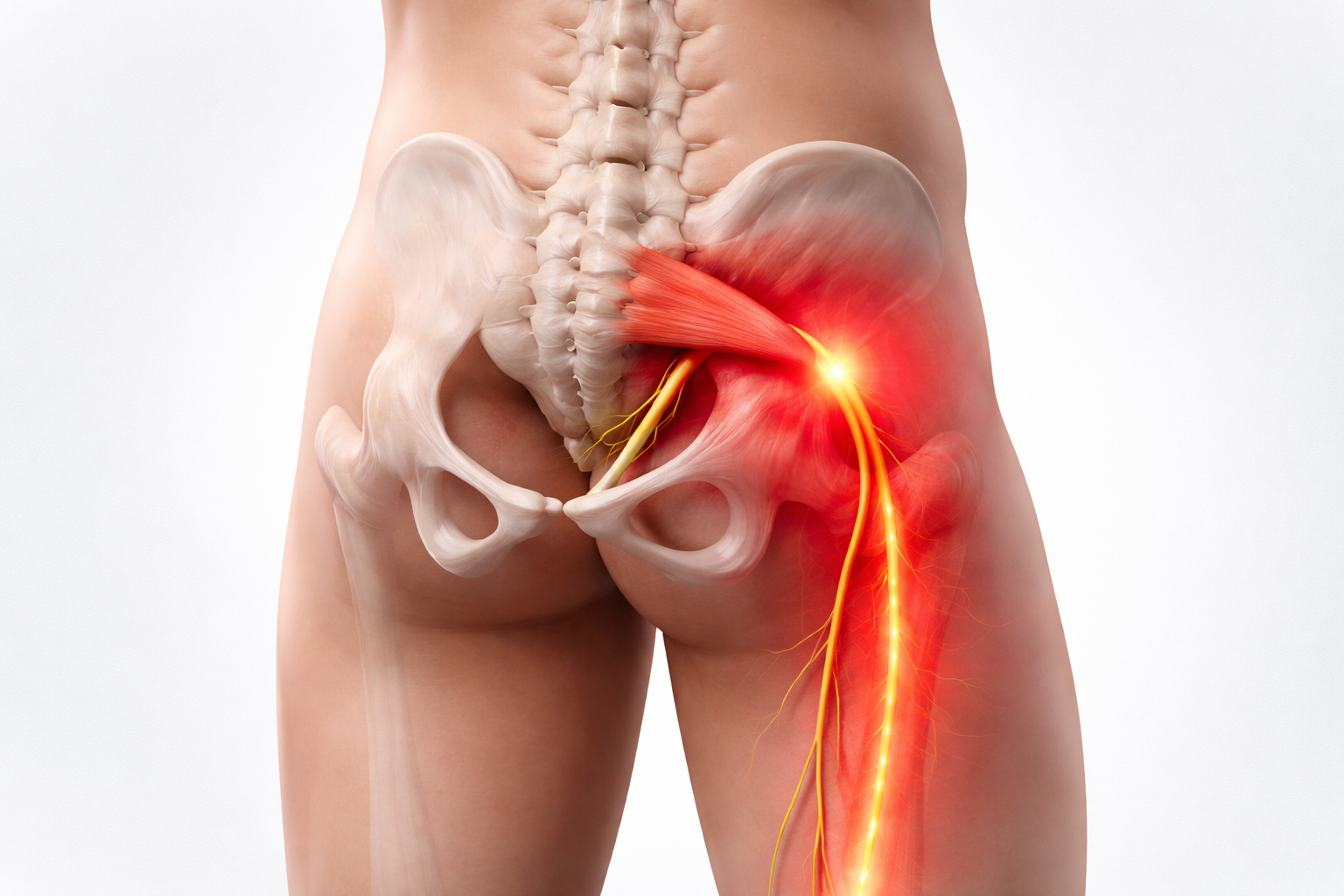
Not all lower back pain stems from spinal issues. Muscle imbalances, poor posture, or joint dysfunction can be the hidden cause. Discover how physiotherapy identifies and treats the real source of pain for lasting relief.
Lower back pain is one of the most common health complaints worldwide. It affects people across all age groups and lifestyles, from office workers and athletes to homemakers and retirees. While it’s easy to assume that lower back pain always stems from spinal issues, the truth is more complex. Not every ache in the lumbar region is caused by a disc problem, vertebral misalignment, or degenerative spine condition.
In fact, many cases of lower back pain originate from muscles, joints, nerves, or even areas far from the spine itself. This is where physiotherapy plays a powerful and holistic role — not just in treating symptoms but identifying and correcting the root cause.
In this article, you’ll learn:
- Why lower back pain isn’t always due to spinal damage
- Common non-spinal causes of back pain
- How physiotherapists diagnose the real source of pain
- The best physiotherapy techniques to treat and prevent it
Let’s explore the hidden truths behind your back pain and how expert physiotherapy can help.
Not All Back Pain Is Spine-Related
When people think of back pain, conditions like herniated discs, sciatica, or spinal stenosis often come to mind. While these issues are real and sometimes severe, they account for only a portion of lower back pain cases.
According to international research and clinical observations, a large percentage of back pain is “non-specific”, meaning there’s no clear pathology in the spine itself. Instead, pain may be caused by:
- Muscle strain or imbalance
- Poor posture
- Pelvic misalignment
- Joint stiffness
- Trigger points in the glutes or thighs
- Tight hamstrings
- Core weakness
- Referred pain from abdominal organs or hips
These issues are often overlooked during standard scans like X-rays or MRIs, which focus mainly on structural spine changes. But physiotherapists look beyond imaging — using clinical skills, hands-on assessments, and movement analysis to determine what’s truly behind the pain.
Common Non-Spinal Causes of Lower Back Pain
1. Myofascial Pain (Muscular Pain)
Tight or overworked muscles in the lower back, hips, or thighs can create painful knots known as trigger points, which refer pain to nearby areas. Sitting for long periods, improper lifting, or poor posture can overload these muscles.
2. Pelvic Misalignment
Your pelvis is the foundation of your spine. If it’s tilted, rotated, or unstable, it can create an uneven load on your lower back, leading to stiffness, soreness, or one-sided pain — even if the spine itself is fine.
3. Hip Joint Dysfunction
Sometimes, the pain you feel in your back is actually originating from the hip. Conditions like hip impingement or arthritis can radiate pain to the lower back, especially when walking or standing.
4. Core Muscle Weakness
The core muscles (not just your abs, but deeper stabilizers) support the spine during movement. Weakness or poor coordination in these muscles leads to poor load distribution, increasing stress on the lower back.
5. Poor Movement Patterns
Improper bending, lifting, or twisting mechanics — especially repeated over time — can overload tissues and cause microtrauma, eventually leading to pain and inflammation.
6. Visceral Referral Pain
Organs such as the kidneys, uterus, or intestines can sometimes refer pain to the back. Though less common, this possibility must be ruled out during a comprehensive physiotherapy assessment.
Why Imaging Isn’t Always the Answer
Many people rush to get MRIs or X-rays when lower back pain starts. But studies show that abnormalities on scans don’t always correlate with pain. In fact:
- Over 60% of people over 40 show disc degeneration on MRI – even if they’re pain-free
- Bulging discs can exist without causing any symptoms
- Mild spinal changes may not require surgery or medication
This highlights the need for a functional, movement-based diagnosis, rather than relying solely on images. That’s where physiotherapy steps in with precision and a personalized approach.
How Physiotherapists Identify the True Cause
A physiotherapist doesn’t just look at where the pain is — they focus on why it’s there. During your initial assessment, they’ll examine:
- Posture (standing, sitting, and during movement)
- Range of motion in the spine, hips, and legs
- Muscle strength and flexibility
- Core stability and control
- Gait and balance
- Functional movements like bending, lifting, or squatting
Using this data, a tailored plan is created not only to relieve the pain but to correct the dysfunction that caused it in the first place.
Physiotherapy Treatments for Non-Spinal Back Pain
Physiotherapists use a combination of manual therapy, corrective exercise, and education to address both symptoms and root causes. Here are some techniques commonly used:
1. Manual Therapy
Hands-on techniques like joint mobilization, muscle release, and myofascial techniques help reduce tension, improve mobility, and reset neuromuscular control.
2. Postural Correction
Re-educating posture during sitting, standing, or lifting helps unload pressure from overactive areas. Ergonomic advice is often included for work or daily life.
3. Stretching and Mobility Drills
Targeted stretches for tight muscles (e.g., hip flexors, hamstrings) can relieve tension pulling on the lower back. Dynamic mobility drills improve joint movement and coordination.
4. Core Strengthening
Exercises targeting the deep abdominal, pelvic, and spinal muscles enhance control and reduce stress on the lower back during everyday activities.
5. Movement Re-training
Learning proper movement patterns (such as how to lift, squat, or get out of bed) prevents reinjury and supports long-term spine health.
6. Neuromuscular Re-education
This involves retraining muscle activation sequences that may have been disrupted due to injury or poor habits.
7. Dry Needling or Electrotherapy (If Required)
In some cases, techniques like dry needling or TENS may be used to manage pain and muscle spasm temporarily while the underlying cause is addressed.
Prevention: The Long-Term Role of Physiotherapy
The goal of physiotherapy isn’t just to stop the current episode of pain — it’s to empower you with the tools and awareness to stay pain-free long term.
That includes:
- Teaching better posture and lifting mechanics
- Strengthening the entire kinetic chain (not just the back)
- Increasing flexibility in key muscle groups
- Creating a home exercise plan for continued progress
- Identifying risk factors in your lifestyle or job
This approach reduces reliance on painkillers, injections, or invasive procedures — and helps you regain confidence in your movement.
Final Thoughts
Lower back pain can be frustrating and even frightening, especially when you fear it’s coming from spinal damage. But not all pain is due to disc problems or structural issues. Many cases are functional in nature — linked to how you move, sit, or use your muscles daily.
Physiotherapy offers a comprehensive, drug-free, and science-backed approach to managing lower back pain from the root cause — not just the symptoms.
Whether your pain is due to muscle tension, pelvic misalignment, poor posture, or faulty movement, physiotherapy provides clarity, relief, and a roadmap to long-lasting recovery.
“Your back pain may not be a spine issue — but how you move, sit, or stand every day. Physiotherapy sees what scans can’t, and treats what really matters.”

 Previous Post
 Next Post