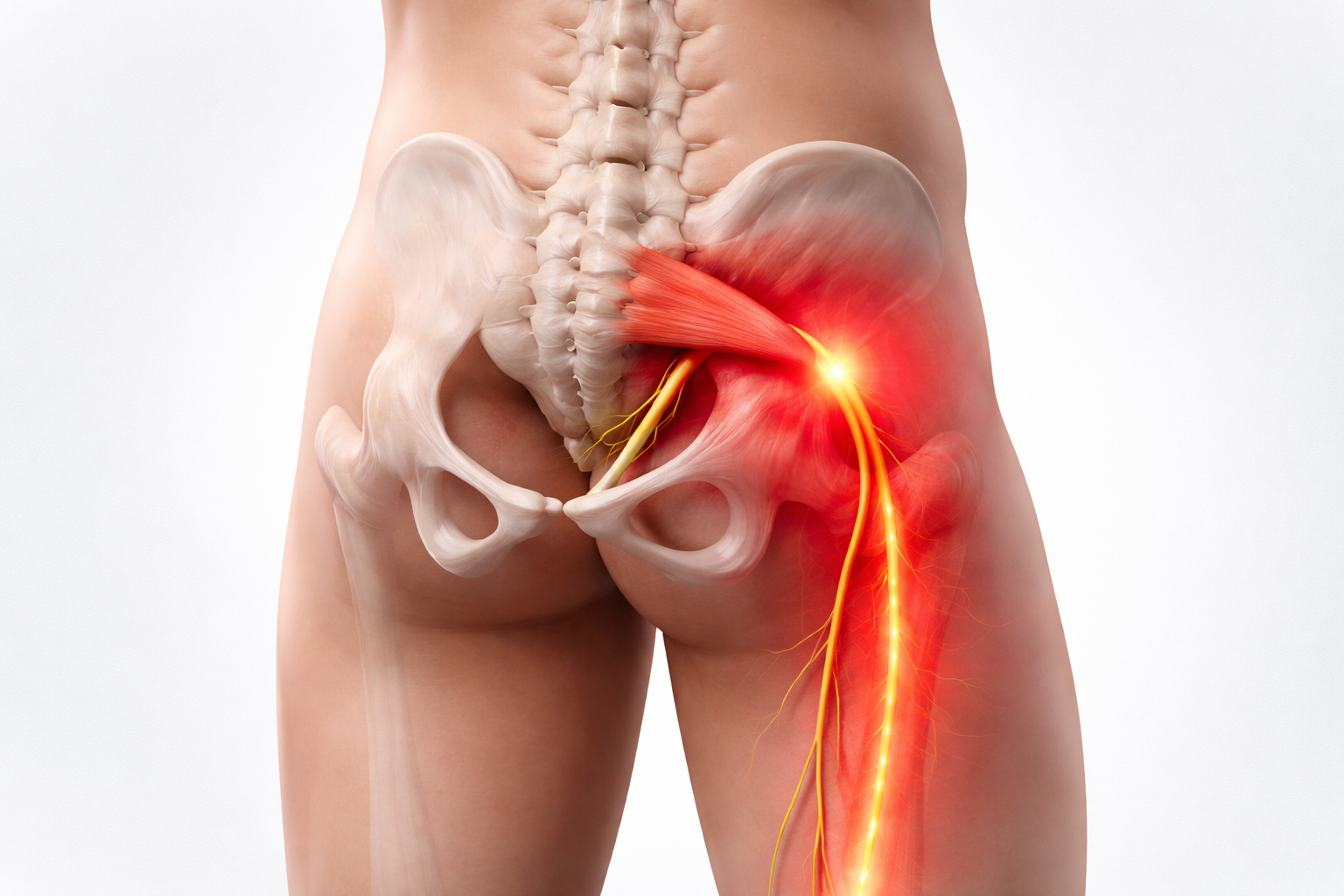
Interferential Therapy (IFT) is an advanced electrotherapy technique used in physiotherapy for deep pain relief, muscle relaxation, and faster recovery. By using medium-frequency electrical currents, IFT effectively reduces pain, improves circulation, and enhances rehabilitation outcomes in both acute and chronic conditions.
Interferential Therapy (IFT) is one of the most widely used and clinically effective electrotherapy modalities in modern physiotherapy. Known for its deep tissue penetration and patient comfort, IFT plays a crucial role in managing pain, reducing inflammation, and accelerating muscle recovery across a wide range of musculoskeletal and neurological conditions.
This advanced form of electrical stimulation uses medium-frequency currents to target deeper tissues without causing significant discomfort on the skin, making it a preferred choice for both therapists and patients. In this comprehensive guide, we explore how Interferential Therapy works, its benefits, indications, contraindications, treatment parameters, and its role in contemporary physiotherapy practice.
What is Interferential Therapy (IFT)?
Interferential Therapy is a form of electrotherapy that uses two medium-frequency alternating currents, usually around 4000 Hz, which intersect within the body tissues. When these currents cross each other, they produce a low-frequency therapeutic effect known as the interferential current.
Unlike conventional low-frequency electrical stimulation, IFT can penetrate deeper into muscles and joints with minimal skin resistance. This makes it especially effective for treating deep-seated pain, muscle spasms, and joint dysfunction.
Principle of Interferential Therapy
The core principle of IFT is interference. Two medium-frequency currents are delivered through four electrodes placed in a criss-cross pattern. When these currents intersect, they create a low-frequency current within the tissues, known as the beat frequency.
Why Medium Frequency Matters
- Medium frequencies reduce skin impedance
- Greater depth of penetration
- More comfortable for patients
- Effective stimulation of nerves and muscles
The therapist can adjust the beat frequency depending on the therapeutic goal, such as pain relief, muscle stimulation, or edema reduction.
How Interferential Therapy Works
Interferential Therapy produces several physiological effects that aid in healing and recovery:
1. Pain Modulation: IFT stimulates sensory nerves, activating the gate control mechanism of pain. This reduces pain signals reaching the brain and provides immediate relief.
2. Increased Blood Circulation: Electrical stimulation causes vasodilation, improving blood flow to the affected area. Enhanced circulation promotes tissue healing and reduces inflammation.
3. Muscle Relaxation: IFT helps relieve muscle spasms by reducing excessive muscle tone and improving muscle elasticity.
4. Edema Reduction: By improving lymphatic drainage and circulation, IFT helps reduce swelling following injury or surgery.
5. Nerve Stimulation: In certain parameters, IFT can stimulate motor nerves, aiding in muscle re-education and recovery.
Types of Interferential Therapy
1. Quadripolar IFT
- Uses four electrodes
- True interference occurs within tissues
- Most commonly used method
- Ideal for deep pain and muscle conditions
2. Bipolar IFT
- Uses two electrodes
- Interference occurs within the machine
- Easier setup
- Suitable for localized or smaller treatment areas
Indications of Interferential Therapy
Interferential Therapy is used in a wide variety of physiotherapy conditions, including:
Musculoskeletal Conditions
- Low back pain
- Neck pain and cervical spondylosis
- Knee osteoarthritis
- Shoulder impingement
- Frozen shoulder
- Tennis elbow and golfer’s elbow
- Ligament and muscle injuries
Neurological Conditions
- Sciatica
- Peripheral nerve pain
- Post-stroke muscle spasticity (selected cases)
- Neuropathic pain
Post-operative Rehabilitation
- Pain management after orthopedic surgeries
- Swelling reduction
- Muscle activation
Sports Injuries
- Muscle strains
- Ligament sprains
- Overuse injuries
- Delayed onset muscle soreness (DOMS)
Contraindications of Interferential Therapy
Although IFT is generally safe, it should be avoided in certain conditions:
- Cardiac pacemakers or implanted electrical devices
- Pregnancy (over abdomen or lower back)
- Active infections or open wounds at electrode site
- Malignancy in the treatment area
- Thrombosis or deep vein thrombosis
- Impaired skin sensation
- Epilepsy (precaution)
A thorough assessment by a qualified physiotherapist is essential before initiating treatment.
IFT Treatment Parameters
The effectiveness of Interferential Therapy depends on selecting appropriate parameters:
1. Frequency (Beat Frequency)
- 0–10 Hz: Muscle stimulation, edema reduction
- 10–50 Hz: Muscle relaxation
- 50–100 Hz: Pain relief (acute pain)
- 90–150 Hz: Chronic pain management
2. Intensity
- Comfortable sensory level
- Adjusted according to patient tolerance
- Should never cause pain
3. Duration
- Typically 10–20 minutes per session
- May vary based on condition and treatment goal
4. Electrode Placement
- Cross pattern around the painful area
- Proper placement ensures effective interference
Benefits of Interferential Therapy in Physiotherapy
Interferential Therapy offers several advantages over other electrotherapy modalities:
- Deep tissue penetration
- Faster pain relief
- Non-invasive and drug-free
- Comfortable for patients
- Enhances rehabilitation outcomes
- Can be combined with exercise therapy
- Suitable for acute and chronic conditions
These benefits make IFT a cornerstone modality in physiotherapy rehabilitation programs.
IFT vs TENS: Key Differences
| Feature | IFT | TENS |
| Frequency | Medium frequency | Low frequency |
| Depth of penetration | Deep | Superficial |
| Comfort | More comfortable | May cause skin irritation |
| Best for | Deep pain, muscle recovery | Surface pain relief |
While both are effective, IFT is often preferred for deeper musculoskeletal conditions.
Role of IFT in Modern Physiotherapy Rehabilitation
Interferential Therapy is rarely used in isolation. It is most effective when combined with:
- Therapeutic exercises
- Manual therapy
- Stretching programs
- Postural correction
- Functional training
By reducing pain and muscle guarding, IFT allows patients to participate more actively in rehabilitation exercises, accelerating recovery and improving long-term outcomes.
Is Interferential Therapy Safe?
Yes, Interferential Therapy is considered safe when administered by trained physiotherapy professionals. Modern IFT machines include safety features such as intensity control, timer settings, and automatic shut-off, ensuring patient comfort and safety throughout the session.
Conclusion
Interferential Therapy (IFT) is a powerful and versatile electrotherapy modality that plays a vital role in pain management and muscle recovery in physiotherapy. Its ability to deliver deep, effective stimulation with minimal discomfort makes it ideal for treating a wide range of acute and chronic conditions.
When used as part of a comprehensive physiotherapy program, IFT not only relieves pain but also enhances tissue healing, improves mobility, and supports faster functional recovery. As physiotherapy continues to evolve, Interferential Therapy remains a trusted and evidence-based tool in advanced rehabilitation care.
“Interferential Therapy bridges the gap between pain relief and active rehabilitation, allowing the body to heal while restoring movement and function.”

- chronic pain management physiotherapy
- electrical stimulation therapy
- electrotherapy in physiotherapy
- IFT for back pain
- IFT for muscle spasm
- IFT therapy
- IFT treatment benefits
- interferential current therapy
- Interferential Therapy
- muscle recovery therapy
- muscle relaxation therapy
- non invasive pain relief
- pain relief electrotherapy
- physiotherapy clinic treatments
- physiotherapy electrotherapy
- physiotherapy modalities
- physiotherapy pain management
- rehabilitation electrotherapy
- sports injury electrotherapy
 Previous Post
 Next Post