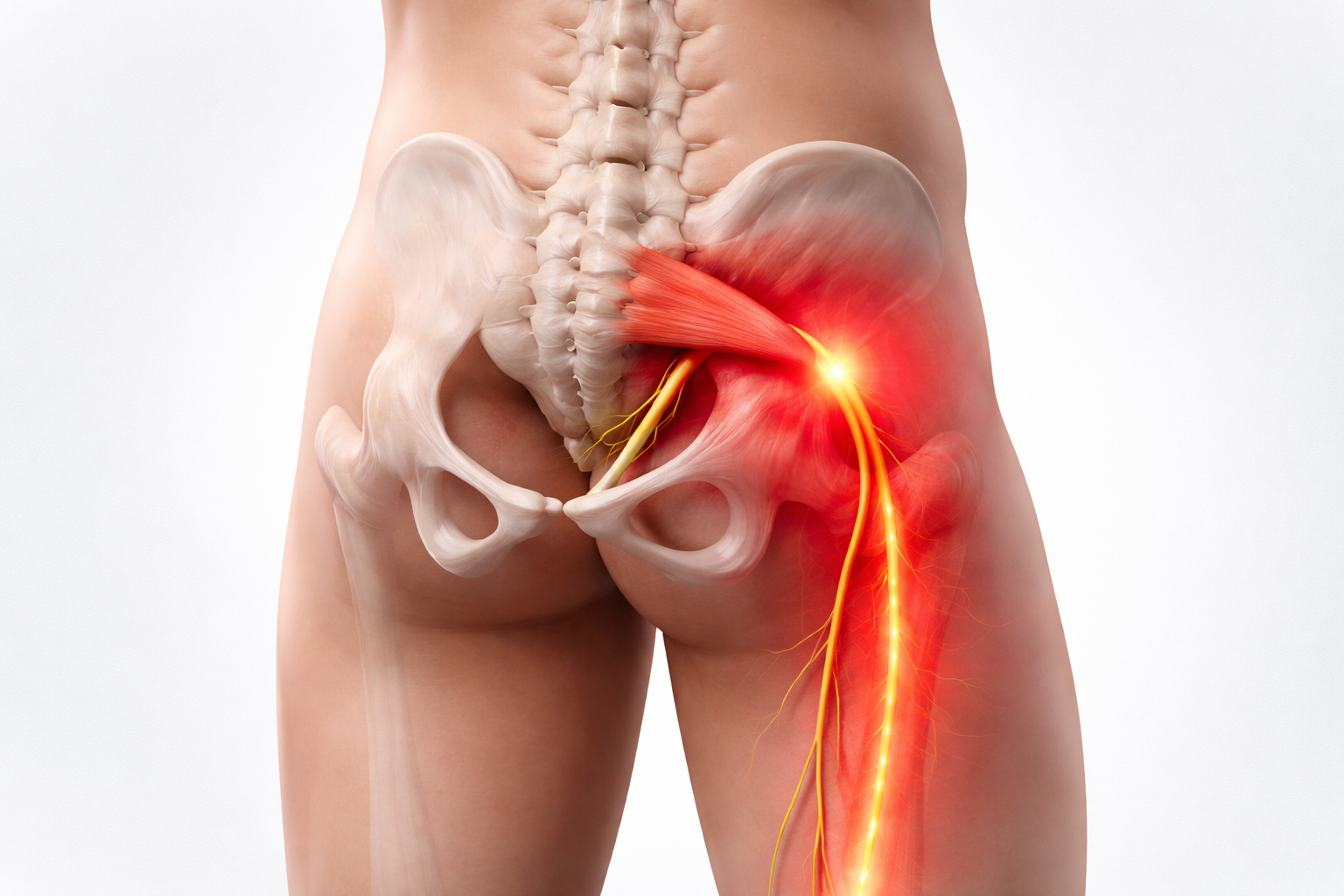
Transcutaneous Electrical Nerve Stimulation (TENS) therapy is a safe, non-invasive, and drug-free pain management technique widely used in physiotherapy. By delivering low-voltage electrical impulses through the skin, TENS helps reduce pain, relax muscles, and improve functional recovery in a variety of musculoskeletal and neurological conditions.
Pain is one of the most common reasons individuals seek physiotherapy treatment. Whether caused by injury, chronic illness, nerve compression, or post-surgical recovery, pain can significantly affect mobility, independence, and quality of life. Modern physiotherapy focuses on evidence-based, non-pharmacological approaches to pain management, and one such widely accepted modality is Transcutaneous Electrical Nerve Stimulation (TENS).
TENS therapy has been used in physiotherapy for decades and continues to be a cornerstone in pain relief protocols. Its non-invasive nature, minimal side effects, and versatility make it suitable for patients across all age groups. This article explores how TENS therapy works, its benefits, applications, clinical significance, and safety considerations in physiotherapy practice.
What Is Transcutaneous Electrical Nerve Stimulation (TENS)?
Transcutaneous Electrical Nerve Stimulation, commonly known as TENS, is an electrotherapy modality that uses low-voltage electrical currents to stimulate sensory nerves through electrodes placed on the skin. The primary goal of TENS therapy is pain relief rather than muscle strengthening or tissue healing.
The electrical impulses generated by a TENS unit travel through the skin to underlying nerves, altering pain perception at the spinal cord and brain level. TENS does not cure the underlying condition but helps control pain, allowing patients to participate more effectively in physiotherapy exercises and rehabilitation programs.
How TENS Therapy Works
TENS therapy works mainly through two well-recognized physiological mechanisms:
1. Gate Control Theory of Pain
According to the gate control theory, pain signals traveling to the brain can be “blocked” or modulated by stimulating non-painful sensory nerves. TENS activates large-diameter sensory nerve fibers, which inhibit the transmission of pain signals carried by smaller pain fibers. As a result, the brain perceives less pain.
2. Endorphin Release Mechanism
Low-frequency TENS stimulates the release of endogenous opioids such as endorphins and enkephalins. These natural pain-relieving chemicals act similarly to analgesic medications, reducing pain perception and promoting a sense of well-being.
Types and Modes of TENS Used in Physiotherapy
Physiotherapists select TENS parameters based on the patient’s condition and treatment goals. Common modes include:
- Conventional (High-Frequency) TENS – Used for acute pain relief
- Low-Frequency (Acupuncture-Like) TENS – Effective for chronic pain conditions
- Burst Mode TENS – Combines high and low frequency for enhanced pain modulation
- Modulated TENS – Prevents nerve accommodation during long treatment sessions
Each mode offers unique therapeutic effects, making TENS a highly adaptable modality in physiotherapy practice.
Benefits of TENS Therapy in Physiotherapy
TENS therapy offers multiple advantages for both patients and physiotherapists:
- Non-invasive and painless treatment
- Drug-free pain management option
- Reduces dependency on analgesic medications
- Improves patient tolerance to exercise therapy
- Enhances functional mobility and daily activities
- Suitable for home and clinical use under guidance
- Minimal risk of adverse effects
These benefits make TENS particularly valuable in long-term rehabilitation programs.
Conditions Commonly Treated with TENS Therapy
TENS therapy is widely used across orthopedic, neurological, and sports physiotherapy. Common conditions include:
Musculoskeletal Conditions
- Low back pain
- Neck pain and cervical spondylosis
- Knee osteoarthritis
- Shoulder pain and frozen shoulder
- Muscle strain and ligament injuries
Neurological Conditions
- Sciatica
- Peripheral neuropathy
- Nerve compression syndromes
- Post-stroke pain
- Radiculopathy
Post-Surgical and Post-Traumatic Pain
- Post-fracture pain
- Post-operative pain management
- Soft tissue injuries
By reducing pain, TENS enables early mobilization and faster rehabilitation.
Role of TENS in Rehabilitation and Recovery
Pain often acts as a barrier to movement and exercise. In physiotherapy, TENS plays a crucial role in:
- Allowing patients to perform therapeutic exercises comfortably
- Reducing protective muscle guarding
- Improving joint mobility
- Supporting active rehabilitation programs
When combined with manual therapy, exercise therapy, and education, TENS significantly enhances overall treatment outcomes.
Electrode Placement in TENS Therapy
Correct electrode placement is essential for effective pain relief. Electrodes may be placed:
- Directly over the painful area
- Along the course of the affected nerve
- Around the pain region (bracketing technique)
- At spinal segmental levels
Physiotherapists assess pain patterns and anatomy to determine optimal electrode positioning for each patient.
TENS vs Other Electrotherapy Modalities
TENS is often compared with modalities like Interferential Therapy (IFT). While both are used for pain relief:
- TENS primarily targets sensory nerves
- IFT penetrates deeper tissues and is often used for larger pain areas
The choice depends on pain depth, area involved, and patient comfort.
Safety, Indications, and Contraindications
TENS therapy is generally safe when applied by trained professionals. However, certain precautions must be observed.
Indications
- Acute and chronic pain
- Musculoskeletal pain
- Neuropathic pain
- Post-surgical pain
Contraindications
- Pacemakers or implanted electrical devices
- Pregnancy (over abdomen or lumbar region)
- Malignancy at treatment site
- Open wounds or infected skin
- Impaired sensation (relative contraindication)
Proper assessment ensures safe and effective use.
Home Use of TENS Therapy
With professional guidance, TENS units can be safely used at home. Physiotherapists educate patients on:
- Correct electrode placement
- Appropriate intensity settings
- Duration and frequency of treatment
- Safety precautions
Home-based TENS therapy empowers patients to manage pain independently while continuing physiotherapy exercises.
Evidence and Clinical Effectiveness
Multiple clinical studies support the effectiveness of TENS in pain management. While individual responses may vary, consistent evidence shows that TENS:
- Reduces pain intensity
- Improves physical function
- Enhances patient satisfaction
TENS works best as part of a comprehensive physiotherapy treatment plan rather than a standalone intervention.
Future Scope of TENS in Physiotherapy
With advancements in electrotherapy technology, modern TENS devices offer improved portability, programmable modes, and patient-friendly interfaces. Integration with digital rehabilitation and wearable technology is expected to further enhance its role in physiotherapy care.
Conclusion
Transcutaneous Electrical Nerve Stimulation (TENS) therapy remains a vital tool in physiotherapy for effective, non-invasive pain relief. By modulating pain signals and promoting natural analgesia, TENS helps patients move better, exercise more confidently, and recover faster. When applied with proper clinical reasoning and combined with active rehabilitation, TENS significantly contributes to successful physiotherapy outcomes.
“Pain relief is not the end of treatment—it is the beginning of movement, recovery, and independence.

 Previous Post
 Next Post